

SEMA-member companies have posted several new listings for job opportunities (view all here) in the Classifieds page of SEMA.org. Working for a SEMA-member company has many advantages. In addition to working for a company that supports and contributes to the success of the overall industry, being employed by a SEMA-member company enables employees to participate in webinars, access free market research, join SEMA committees and more.
Thu, 04/06/2017 - 13:29
Thu, 04/06/2017 - 13:29
SEMA-member companies have posted several new listings for job opportunities (view all here) in the Classifieds page of SEMA.org. Working for a SEMA-member company has many advantages. In addition to working for a company that supports and contributes to the success of the overall industry, being employed by a SEMA-member company enables employees to participate in webinars, access free market research, join SEMA committees and more.
West Virginia Bill to Allow Uncovered Aftermarket Light Bars Approved by House; Moves to Full Senate
Thu, 04/06/2017 - 13:23
By SEMA Washington, D.C., Staff
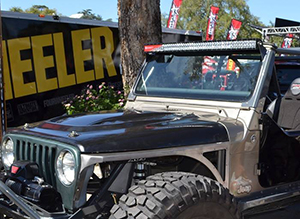 Legislation (H.B. 3053) to eliminate the requirement that roof-mounted off-road light bars be covered when vehicles are operated on roads and highways now awaits a vote by the full Senate. |
Legislation (H.B. 3053) to eliminate the requirement that roof-mounted off-road light bars be covered when vehicles are operated on roads and highways was approved by the House and now awaits a vote by the full Senate. The bill also raises the number of permissible auxiliary passing lamps and auxiliary driving lamps from one to two. H.B. 3053 still requires that light bars be turned off when vehicles are being operated on roads and highways.
For more information, visit the SEMA Action Network (SAN) website. For details, contact Steve McDonald at stevem@sema.org.
West Virginia Bill to Allow Uncovered Aftermarket Light Bars Approved by House; Moves to Full Senate
Thu, 04/06/2017 - 13:23
By SEMA Washington, D.C., Staff
Legislation (H.B. 3053) to eliminate the requirement that roof-mounted off-road light bars be covered when vehicles are operated on roads and highways now awaits a vote by the full Senate. |
Legislation (H.B. 3053) to eliminate the requirement that roof-mounted off-road light bars be covered when vehicles are operated on roads and highways was approved by the House and now awaits a vote by the full Senate. The bill also raises the number of permissible auxiliary passing lamps and auxiliary driving lamps from one to two. H.B. 3053 still requires that light bars be turned off when vehicles are being operated on roads and highways.
For more information, visit the SEMA Action Network (SAN) website. For details, contact Steve McDonald at stevem@sema.org.
West Virginia Bill to Allow Uncovered Aftermarket Light Bars Approved by House; Moves to Full Senate
Thu, 04/06/2017 - 13:23
By SEMA Washington, D.C., Staff
Legislation (H.B. 3053) to eliminate the requirement that roof-mounted off-road light bars be covered when vehicles are operated on roads and highways now awaits a vote by the full Senate. |
Legislation (H.B. 3053) to eliminate the requirement that roof-mounted off-road light bars be covered when vehicles are operated on roads and highways was approved by the House and now awaits a vote by the full Senate. The bill also raises the number of permissible auxiliary passing lamps and auxiliary driving lamps from one to two. H.B. 3053 still requires that light bars be turned off when vehicles are being operated on roads and highways.
For more information, visit the SEMA Action Network (SAN) website. For details, contact Steve McDonald at stevem@sema.org.
West Virginia Bill to Allow Uncovered Aftermarket Light Bars Approved by House; Moves to Full Senate
Thu, 04/06/2017 - 13:23
By SEMA Washington, D.C., Staff
Legislation (H.B. 3053) to eliminate the requirement that roof-mounted off-road light bars be covered when vehicles are operated on roads and highways now awaits a vote by the full Senate. |
Legislation (H.B. 3053) to eliminate the requirement that roof-mounted off-road light bars be covered when vehicles are operated on roads and highways was approved by the House and now awaits a vote by the full Senate. The bill also raises the number of permissible auxiliary passing lamps and auxiliary driving lamps from one to two. H.B. 3053 still requires that light bars be turned off when vehicles are being operated on roads and highways.
For more information, visit the SEMA Action Network (SAN) website. For details, contact Steve McDonald at stevem@sema.org.
Thu, 04/06/2017 - 13:17
By SEMA Washington, D.C., Staff
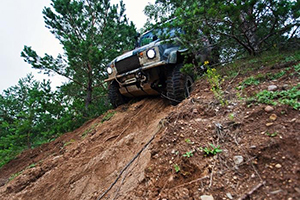 The West Virginia Senate approved legislation to create a two-year pilot program permitting recreational vehicles on designated roads and trails in Cabwaylingo State Forest. |
Legislation to create a two-year pilot program permitting recreational vehicles on designated roads and trails in Cabwaylingo State Forest has been approved by the West Virginia Senate. The bill also provides for designation of campgrounds and tent sites to be used by the ATV and ORV users. The bill will next be considered by the House Agriculture and Natural Resources Committee.
For more information, visit the SEMA Action Network (SAN) website. For details, contact Steve McDonald at stevem@sema.org.
Thu, 04/06/2017 - 13:17
By SEMA Washington, D.C., Staff
The West Virginia Senate approved legislation to create a two-year pilot program permitting recreational vehicles on designated roads and trails in Cabwaylingo State Forest. |
Legislation to create a two-year pilot program permitting recreational vehicles on designated roads and trails in Cabwaylingo State Forest has been approved by the West Virginia Senate. The bill also provides for designation of campgrounds and tent sites to be used by the ATV and ORV users. The bill will next be considered by the House Agriculture and Natural Resources Committee.
For more information, visit the SEMA Action Network (SAN) website. For details, contact Steve McDonald at stevem@sema.org.
Thu, 04/06/2017 - 13:17
By SEMA Washington, D.C., Staff
The West Virginia Senate approved legislation to create a two-year pilot program permitting recreational vehicles on designated roads and trails in Cabwaylingo State Forest. |
Legislation to create a two-year pilot program permitting recreational vehicles on designated roads and trails in Cabwaylingo State Forest has been approved by the West Virginia Senate. The bill also provides for designation of campgrounds and tent sites to be used by the ATV and ORV users. The bill will next be considered by the House Agriculture and Natural Resources Committee.
For more information, visit the SEMA Action Network (SAN) website. For details, contact Steve McDonald at stevem@sema.org.
Thu, 04/06/2017 - 13:17
By SEMA Washington, D.C., Staff
The West Virginia Senate approved legislation to create a two-year pilot program permitting recreational vehicles on designated roads and trails in Cabwaylingo State Forest. |
Legislation to create a two-year pilot program permitting recreational vehicles on designated roads and trails in Cabwaylingo State Forest has been approved by the West Virginia Senate. The bill also provides for designation of campgrounds and tent sites to be used by the ATV and ORV users. The bill will next be considered by the House Agriculture and Natural Resources Committee.
For more information, visit the SEMA Action Network (SAN) website. For details, contact Steve McDonald at stevem@sema.org.