

The SEMA Battle of the Builders (BOTB) competition has become a renowned program, featuring the country’s top vehicle builders who have already proven themselves by having a vehicle displayed at the SEMA Show. Cris Payne, owner of Truck Guru, gives viewers an inside look at his ’16 Chevy Colorado that he entered into last year’s competition. Check out this video to learn more about the products that are featured on this amazing build.
Thu, 02/09/2017 - 11:12
Thu, 02/09/2017 - 11:08
By SEMA Washington, D.C., Staff
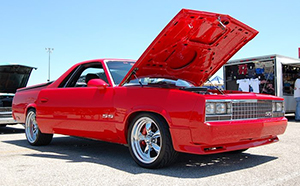 Legislation has been introduced to repeal the two license-plate requirement for motor vehicles in New York. |
Legislation has been introduced to repeal the two license-plate requirement for motor vehicles in New York. This legislation establishes that only one license plate is required to be displayed on the rear of motor vehicles. The bill has been referred to the Assembly Transportation Committee for consideration.
For more information, visit the SEMA Action Network (SAN) website. For details, contact Steve McDonald at stevem@sema.org.
Thu, 02/09/2017 - 11:08
By SEMA Washington, D.C., Staff
Legislation has been introduced to repeal the two license-plate requirement for motor vehicles in New York. |
Legislation has been introduced to repeal the two license-plate requirement for motor vehicles in New York. This legislation establishes that only one license plate is required to be displayed on the rear of motor vehicles. The bill has been referred to the Assembly Transportation Committee for consideration.
For more information, visit the SEMA Action Network (SAN) website. For details, contact Steve McDonald at stevem@sema.org.
Thu, 02/09/2017 - 11:08
By SEMA Washington, D.C., Staff
Legislation has been introduced to repeal the two license-plate requirement for motor vehicles in New York. |
Legislation has been introduced to repeal the two license-plate requirement for motor vehicles in New York. This legislation establishes that only one license plate is required to be displayed on the rear of motor vehicles. The bill has been referred to the Assembly Transportation Committee for consideration.
For more information, visit the SEMA Action Network (SAN) website. For details, contact Steve McDonald at stevem@sema.org.
Thu, 02/09/2017 - 11:08
By SEMA Washington, D.C., Staff
Legislation has been introduced to repeal the two license-plate requirement for motor vehicles in New York. |
Legislation has been introduced to repeal the two license-plate requirement for motor vehicles in New York. This legislation establishes that only one license plate is required to be displayed on the rear of motor vehicles. The bill has been referred to the Assembly Transportation Committee for consideration.
For more information, visit the SEMA Action Network (SAN) website. For details, contact Steve McDonald at stevem@sema.org.
Thu, 02/09/2017 - 11:03
By SEMA Washington, D.C., Staff
 Legislation to require new-car dealers to provide purchasers a written statement declaring it is illegal for manufacturers or dealers to void a warranty or deny coverage because aftermarket or recycled parts were installed or because someone other than the dealer performed service was introduced. |
Legislation to require new-car dealers to provide purchasers a written statement declaring it is illegal for manufacturers or dealers to void a warranty or deny coverage because aftermarket or recycled parts were installed or because someone other than the dealer performed service was introduced. The bill is an identical companion to legislation introduced last year in the Assembly. The bill will be sent to the Senate Commerce Committee for consideration.
For more information, visit the SEMA Action Network (SAN) website. For details, contact Steve McDonald at stevem@sema.org.
Thu, 02/09/2017 - 11:03
By SEMA Washington, D.C., Staff
Legislation to require new-car dealers to provide purchasers a written statement declaring it is illegal for manufacturers or dealers to void a warranty or deny coverage because aftermarket or recycled parts were installed or because someone other than the dealer performed service was introduced. |
Legislation to require new-car dealers to provide purchasers a written statement declaring it is illegal for manufacturers or dealers to void a warranty or deny coverage because aftermarket or recycled parts were installed or because someone other than the dealer performed service was introduced. The bill is an identical companion to legislation introduced last year in the Assembly. The bill will be sent to the Senate Commerce Committee for consideration.
For more information, visit the SEMA Action Network (SAN) website. For details, contact Steve McDonald at stevem@sema.org.
Thu, 02/09/2017 - 11:03
By SEMA Washington, D.C., Staff
Legislation to require new-car dealers to provide purchasers a written statement declaring it is illegal for manufacturers or dealers to void a warranty or deny coverage because aftermarket or recycled parts were installed or because someone other than the dealer performed service was introduced. |
Legislation to require new-car dealers to provide purchasers a written statement declaring it is illegal for manufacturers or dealers to void a warranty or deny coverage because aftermarket or recycled parts were installed or because someone other than the dealer performed service was introduced. The bill is an identical companion to legislation introduced last year in the Assembly. The bill will be sent to the Senate Commerce Committee for consideration.
For more information, visit the SEMA Action Network (SAN) website. For details, contact Steve McDonald at stevem@sema.org.
Thu, 02/09/2017 - 11:03
By SEMA Washington, D.C., Staff
Legislation to require new-car dealers to provide purchasers a written statement declaring it is illegal for manufacturers or dealers to void a warranty or deny coverage because aftermarket or recycled parts were installed or because someone other than the dealer performed service was introduced. |
Legislation to require new-car dealers to provide purchasers a written statement declaring it is illegal for manufacturers or dealers to void a warranty or deny coverage because aftermarket or recycled parts were installed or because someone other than the dealer performed service was introduced. The bill is an identical companion to legislation introduced last year in the Assembly. The bill will be sent to the Senate Commerce Committee for consideration.
For more information, visit the SEMA Action Network (SAN) website. For details, contact Steve McDonald at stevem@sema.org.
Thu, 02/09/2017 - 11:00
By SEMA Washington, D.C., Staff
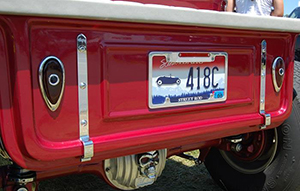 Legislation to allow for a single plate for motor vehicles that were not originally equipped with a display bracket on the front of the vehicle was approved by the House Transportation and Defense Committee. |
Legislation to allow for a single plate for motor vehicles that were not originally equipped with a display bracket on the front of the vehicle was approved by the House Transportation and Defense Committee. The bill requires that the single registration plate be attached on the rear of the vehicle. The measure will next be considered by all members of the Idaho House.
For more information, visit the SEMA Action Network (SAN) website. For details, contact Steve McDonald at stevem@sema.org.