

Johnson and his ’70 Chevy Camaro are heading to the 2017 SEMA Show to compete in the Battle of the Builders competition.
https://youtu.be/iTYjiK8fm1w
Thu, 09/14/2017 - 10:24
Thu, 09/14/2017 - 10:24
Johnson and his ’70 Chevy Camaro are heading to the 2017 SEMA Show to compete in the Battle of the Builders competition.
https://youtu.be/iTYjiK8fm1w
Thu, 09/14/2017 - 10:24
Johnson and his ’70 Chevy Camaro are heading to the 2017 SEMA Show to compete in the Battle of the Builders competition.
https://youtu.be/iTYjiK8fm1w
Thu, 09/14/2017 - 10:22
By SEMA Editors
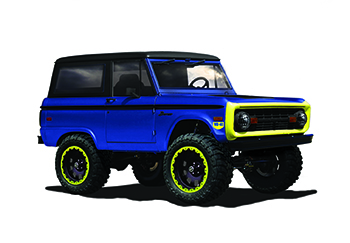 WD-40 Co. is teaming with builder Aaron Vaccar and The Vaccar Co. on a SEMA Show restoration build featuring the iconic ’66 Ford Bronco. |
WD-40 Co. is teaming with noted builder Aaron Vaccar and The Vaccar Co. on a restoration build that blends old and new: the iconic ’66 Ford Bronco—the vehicle’s debut year—equipped with a turbocharged EcoBoost drivetrain.
Continuing WD-40 Co.’s eight-year partnership with SEMA, the WD-40/SEMA Cares Boosted Bronco will make its debut at the 2017 SEMA Show in Las Vegas, Tuesday, October 31, in the WD-40 Brand booth (#62129), and will be auctioned off in 2018 to benefit SEMA Cares. Through SEMA Cares, proceeds will benefit Childhelp, an organization that provides services to abused and neglected children, and the SEMA Memorial Scholarship Fund, which offers scholarships to students entering the automotive aftermarket.
To date, WD-40 Co. has raised more than $800,000 for these charities through vehicle restorations and auctions.
The Vaccar Co. was selected as the vehicle builder after an extensive search by WD-40 Co. Vaccar’s affinity for the WD-40 brand, foresight for putting WD-40 brand products to use in the build and creativity in developing the vehicle concept stood out above the rest, according to Tim Lesmeister, vice president of marketing at WD-40 Co. For Vaccar, the build is a passion project.
“The WD-40/SEMA Cares Boosted Bronco allows us to pay tribute to traditional hot-rodding standards of execution and finish with a first-of-its-kind vehicle,” said Vaccar. “The EcoBoost drivetrain will give the cult classic a modern spin and turbocharged power and efficiency for the future. There could not be a more iconic brand than WD-40 brand to partner with on a vehicle sure to generate excitement from Bronco, off-road and automotive enthusiasts nationwide.”
The vehicle’s color is inspired by the famous blue-and-yellow can of WD-40 Multi-Use Product. In addition to this product, several WD-40 Specialist products will be instrumental to the build, including WD-40 Specialist Superior Performance True Multi-Purpose Grease, Spray & Stay Gel Lubricant, Rust Release Penetrant Spray and the new WD-40 Specialist Industrial-Strength Cleaner & Degreaser, which has a water-based, non-aerosol formula.
“We have a long history of supporting the automotive industry with products that help auto pros get the job done and through our partnership with SEMA,” said Lesmeister. “This project allows WD-40 Co. to continue that tradition of support for the automotive industry, aftermarket professionals and auto enthusiasts in their restoration and customization projects.”
Build partners that have donated product for use on the Bronco include AIRAID, AMSOIL, AutoMeter, B&M, BASF, Blood & Grease, Detroit Steel Wheel, Diode Dynamics, Flowmaster, General Tire, Grip Royal, Mishimoto, POR-15, The Club, VMS Racing and XS Power.
The vehicle will be featured in the WD-40 Brand booth #62129 outside the South Hall at the SEMA Show.
Thu, 09/14/2017 - 10:22
By SEMA Editors
WD-40 Co. is teaming with builder Aaron Vaccar and The Vaccar Co. on a SEMA Show restoration build featuring the iconic ’66 Ford Bronco. |
WD-40 Co. is teaming with noted builder Aaron Vaccar and The Vaccar Co. on a restoration build that blends old and new: the iconic ’66 Ford Bronco—the vehicle’s debut year—equipped with a turbocharged EcoBoost drivetrain.
Continuing WD-40 Co.’s eight-year partnership with SEMA, the WD-40/SEMA Cares Boosted Bronco will make its debut at the 2017 SEMA Show in Las Vegas, Tuesday, October 31, in the WD-40 Brand booth (#62129), and will be auctioned off in 2018 to benefit SEMA Cares. Through SEMA Cares, proceeds will benefit Childhelp, an organization that provides services to abused and neglected children, and the SEMA Memorial Scholarship Fund, which offers scholarships to students entering the automotive aftermarket.
To date, WD-40 Co. has raised more than $800,000 for these charities through vehicle restorations and auctions.
The Vaccar Co. was selected as the vehicle builder after an extensive search by WD-40 Co. Vaccar’s affinity for the WD-40 brand, foresight for putting WD-40 brand products to use in the build and creativity in developing the vehicle concept stood out above the rest, according to Tim Lesmeister, vice president of marketing at WD-40 Co. For Vaccar, the build is a passion project.
“The WD-40/SEMA Cares Boosted Bronco allows us to pay tribute to traditional hot-rodding standards of execution and finish with a first-of-its-kind vehicle,” said Vaccar. “The EcoBoost drivetrain will give the cult classic a modern spin and turbocharged power and efficiency for the future. There could not be a more iconic brand than WD-40 brand to partner with on a vehicle sure to generate excitement from Bronco, off-road and automotive enthusiasts nationwide.”
The vehicle’s color is inspired by the famous blue-and-yellow can of WD-40 Multi-Use Product. In addition to this product, several WD-40 Specialist products will be instrumental to the build, including WD-40 Specialist Superior Performance True Multi-Purpose Grease, Spray & Stay Gel Lubricant, Rust Release Penetrant Spray and the new WD-40 Specialist Industrial-Strength Cleaner & Degreaser, which has a water-based, non-aerosol formula.
“We have a long history of supporting the automotive industry with products that help auto pros get the job done and through our partnership with SEMA,” said Lesmeister. “This project allows WD-40 Co. to continue that tradition of support for the automotive industry, aftermarket professionals and auto enthusiasts in their restoration and customization projects.”
Build partners that have donated product for use on the Bronco include AIRAID, AMSOIL, AutoMeter, B&M, BASF, Blood & Grease, Detroit Steel Wheel, Diode Dynamics, Flowmaster, General Tire, Grip Royal, Mishimoto, POR-15, The Club, VMS Racing and XS Power.
The vehicle will be featured in the WD-40 Brand booth #62129 outside the South Hall at the SEMA Show.
Thu, 09/14/2017 - 10:22
By SEMA Editors
WD-40 Co. is teaming with builder Aaron Vaccar and The Vaccar Co. on a SEMA Show restoration build featuring the iconic ’66 Ford Bronco. |
WD-40 Co. is teaming with noted builder Aaron Vaccar and The Vaccar Co. on a restoration build that blends old and new: the iconic ’66 Ford Bronco—the vehicle’s debut year—equipped with a turbocharged EcoBoost drivetrain.
Continuing WD-40 Co.’s eight-year partnership with SEMA, the WD-40/SEMA Cares Boosted Bronco will make its debut at the 2017 SEMA Show in Las Vegas, Tuesday, October 31, in the WD-40 Brand booth (#62129), and will be auctioned off in 2018 to benefit SEMA Cares. Through SEMA Cares, proceeds will benefit Childhelp, an organization that provides services to abused and neglected children, and the SEMA Memorial Scholarship Fund, which offers scholarships to students entering the automotive aftermarket.
To date, WD-40 Co. has raised more than $800,000 for these charities through vehicle restorations and auctions.
The Vaccar Co. was selected as the vehicle builder after an extensive search by WD-40 Co. Vaccar’s affinity for the WD-40 brand, foresight for putting WD-40 brand products to use in the build and creativity in developing the vehicle concept stood out above the rest, according to Tim Lesmeister, vice president of marketing at WD-40 Co. For Vaccar, the build is a passion project.
“The WD-40/SEMA Cares Boosted Bronco allows us to pay tribute to traditional hot-rodding standards of execution and finish with a first-of-its-kind vehicle,” said Vaccar. “The EcoBoost drivetrain will give the cult classic a modern spin and turbocharged power and efficiency for the future. There could not be a more iconic brand than WD-40 brand to partner with on a vehicle sure to generate excitement from Bronco, off-road and automotive enthusiasts nationwide.”
The vehicle’s color is inspired by the famous blue-and-yellow can of WD-40 Multi-Use Product. In addition to this product, several WD-40 Specialist products will be instrumental to the build, including WD-40 Specialist Superior Performance True Multi-Purpose Grease, Spray & Stay Gel Lubricant, Rust Release Penetrant Spray and the new WD-40 Specialist Industrial-Strength Cleaner & Degreaser, which has a water-based, non-aerosol formula.
“We have a long history of supporting the automotive industry with products that help auto pros get the job done and through our partnership with SEMA,” said Lesmeister. “This project allows WD-40 Co. to continue that tradition of support for the automotive industry, aftermarket professionals and auto enthusiasts in their restoration and customization projects.”
Build partners that have donated product for use on the Bronco include AIRAID, AMSOIL, AutoMeter, B&M, BASF, Blood & Grease, Detroit Steel Wheel, Diode Dynamics, Flowmaster, General Tire, Grip Royal, Mishimoto, POR-15, The Club, VMS Racing and XS Power.
The vehicle will be featured in the WD-40 Brand booth #62129 outside the South Hall at the SEMA Show.
Thu, 09/14/2017 - 10:22
By SEMA Editors
WD-40 Co. is teaming with builder Aaron Vaccar and The Vaccar Co. on a SEMA Show restoration build featuring the iconic ’66 Ford Bronco. |
WD-40 Co. is teaming with noted builder Aaron Vaccar and The Vaccar Co. on a restoration build that blends old and new: the iconic ’66 Ford Bronco—the vehicle’s debut year—equipped with a turbocharged EcoBoost drivetrain.
Continuing WD-40 Co.’s eight-year partnership with SEMA, the WD-40/SEMA Cares Boosted Bronco will make its debut at the 2017 SEMA Show in Las Vegas, Tuesday, October 31, in the WD-40 Brand booth (#62129), and will be auctioned off in 2018 to benefit SEMA Cares. Through SEMA Cares, proceeds will benefit Childhelp, an organization that provides services to abused and neglected children, and the SEMA Memorial Scholarship Fund, which offers scholarships to students entering the automotive aftermarket.
To date, WD-40 Co. has raised more than $800,000 for these charities through vehicle restorations and auctions.
The Vaccar Co. was selected as the vehicle builder after an extensive search by WD-40 Co. Vaccar’s affinity for the WD-40 brand, foresight for putting WD-40 brand products to use in the build and creativity in developing the vehicle concept stood out above the rest, according to Tim Lesmeister, vice president of marketing at WD-40 Co. For Vaccar, the build is a passion project.
“The WD-40/SEMA Cares Boosted Bronco allows us to pay tribute to traditional hot-rodding standards of execution and finish with a first-of-its-kind vehicle,” said Vaccar. “The EcoBoost drivetrain will give the cult classic a modern spin and turbocharged power and efficiency for the future. There could not be a more iconic brand than WD-40 brand to partner with on a vehicle sure to generate excitement from Bronco, off-road and automotive enthusiasts nationwide.”
The vehicle’s color is inspired by the famous blue-and-yellow can of WD-40 Multi-Use Product. In addition to this product, several WD-40 Specialist products will be instrumental to the build, including WD-40 Specialist Superior Performance True Multi-Purpose Grease, Spray & Stay Gel Lubricant, Rust Release Penetrant Spray and the new WD-40 Specialist Industrial-Strength Cleaner & Degreaser, which has a water-based, non-aerosol formula.
“We have a long history of supporting the automotive industry with products that help auto pros get the job done and through our partnership with SEMA,” said Lesmeister. “This project allows WD-40 Co. to continue that tradition of support for the automotive industry, aftermarket professionals and auto enthusiasts in their restoration and customization projects.”
Build partners that have donated product for use on the Bronco include AIRAID, AMSOIL, AutoMeter, B&M, BASF, Blood & Grease, Detroit Steel Wheel, Diode Dynamics, Flowmaster, General Tire, Grip Royal, Mishimoto, POR-15, The Club, VMS Racing and XS Power.
The vehicle will be featured in the WD-40 Brand booth #62129 outside the South Hall at the SEMA Show.
Thu, 09/14/2017 - 10:19
By SEMA Editors
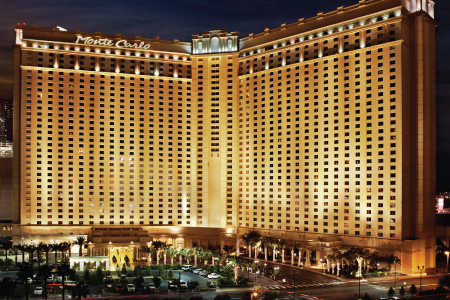 There are still several properties available at www.SEMAShow.com/travel that accommodate the style and budget of all business types making the trip to Vegas for the Show. |
Exhibitors and attendees who have not yet secured hotels for the 2017 SEMA Show can take advantage of the guaranteed low rates offered at www.SEMAShow.com/travel. SEMA Show management works with one official hotel provider, OnPeak, to ensure that all Showgoers receive guaranteed low rates and an extra level of service.
There are still several properties available at www.SEMAShow.com/travel that accommodate the style and budget of all business types making the trip to Vegas for the Show. Here are a few examples of three hotels currently available:
- Monte Carlo Resort & Casino – Current Rate: $252 per night
- Vdara Hotel & Spa at Citycenter – Current Rate: $267 per night
- Bellagio – Current Rate: $310 per night
Visit www.SEMAShow.com/travel to book rooms now—space is limited and available on a first come, first-served basis.
SEMA Show management encourages exhibitors, attendees and media to be vigilant if approached by any company or service, other than OnPeak, that claims to be a housing provider for the SEMA Show or APPEX. Leading up to the Show, Showgoers might be contacted by other travel agencies or housing companies to book guest rooms. SEMA has no affiliation with these organizations and cannot vouch for their services in any way.
For booking assistance, contact OnPeak at 866-611-8831, Monday–Friday, 8:00 a.m.–5:00 p.m. Companies with existing reservations need to have their OnPeak Attendance/Group ID number handy.
Thu, 09/14/2017 - 10:19
By SEMA Editors
There are still several properties available at www.SEMAShow.com/travel that accommodate the style and budget of all business types making the trip to Vegas for the Show. |
Exhibitors and attendees who have not yet secured hotels for the 2017 SEMA Show can take advantage of the guaranteed low rates offered at www.SEMAShow.com/travel. SEMA Show management works with one official hotel provider, OnPeak, to ensure that all Showgoers receive guaranteed low rates and an extra level of service.
There are still several properties available at www.SEMAShow.com/travel that accommodate the style and budget of all business types making the trip to Vegas for the Show. Here are a few examples of three hotels currently available:
- Monte Carlo Resort & Casino – Current Rate: $252 per night
- Vdara Hotel & Spa at Citycenter – Current Rate: $267 per night
- Bellagio – Current Rate: $310 per night
Visit www.SEMAShow.com/travel to book rooms now—space is limited and available on a first come, first-served basis.
SEMA Show management encourages exhibitors, attendees and media to be vigilant if approached by any company or service, other than OnPeak, that claims to be a housing provider for the SEMA Show or APPEX. Leading up to the Show, Showgoers might be contacted by other travel agencies or housing companies to book guest rooms. SEMA has no affiliation with these organizations and cannot vouch for their services in any way.
For booking assistance, contact OnPeak at 866-611-8831, Monday–Friday, 8:00 a.m.–5:00 p.m. Companies with existing reservations need to have their OnPeak Attendance/Group ID number handy.
Thu, 09/14/2017 - 10:17
Compiled by SEMA Editors
 Jeff Campbell |
Apex Tool Group Names Jeff Campbell Vice President, Sales and Channel Marketing, North American Hand Tools
Jeff Campbell recently joined Apex Tool Group (ATG) as vice president, sales and channel marketing, North American Hand Tools. He is responsible for sales and channel marketing efforts in ATG’s industrial, construction and automotive distribution channels, which include all North American Hand Tools product lines. Campbell reports to John Constantine, senior vice president and president, North American Hand Tools. Most recently with Werner Co., Campbell served as senior vice president of North American Sales for its Werner ladders and fall protection, Knaack jobsite and Weather Guard truck and van products. Before Werner, he worked for Newell Brands as vice president of sales for its IRWIN and LENOX tool brands, among others, and was responsible for all U.S. sales in its professional distribution channels.
 Les Rudd |
Custom Automotive Network Announces Manufacturer, Person, Sales Rep, Reseller of the Year at 2017 CAN Connect
Custom Automotive Network (CAN), formerly known as Performance Warehouse Association (PWA), has named Edelbrock LLC its 2017 Manufacturer of the Year, Les Rudd of Bob Cook Sales its 2017 Person of the Year, R&R Marketing Consultants its 2017 Sales Rep of the Year and Competition Specialties Inc. its 2017 Reseller of the Year. The awards are voted on by CAN membership in recognition of outstanding contributions to the custom automotive distribution system and in appreciation of conscientious dedication to the industry. The awards were presented by CAN President Tracie Nunez at the 44th Annual CAN Connect Conference, September 10, 2017.
JMPR Named Public Relations Agency of Record for Haynes Manuals Inc.
JMPR Public Relations has announced that it has been named public relations agency of record for Haynes Manuals Inc. Founded in 1960, Haynes is a leading publisher of DIY automotive, powersports, marine and tractor manuals, under the Haynes, Clymer, Chilton and I&T brands. Along with traditional printed manuals, Haynes now also offers more than 300 of its automotive, motorcycle, marine and ATV manuals in a subscription-based digital format via its online manual product. JMPR was reportedly selected because of the agency’s extensive relevant experience in the automotive aftermarket business and its relationships with industry and consumer decision makers. JMPR will be responsible for helping drive awareness of Haynes’ new OnDemand product, which offers job-by-job, model-specific, videos covering the most common repair and maintenance tasks.
Meyer Distributing Adds Lifetime Products Inc.
Lifetime Products Inc. is the newest addition for Meyer Distributing. Lifetime offers a variety of consumer products, including in-ground basketball hoops, kayaks, storage sheds, molded-plastic folding tables and chairs and large outdoor play sets.
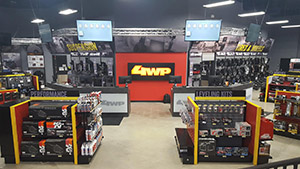 4 Wheel Parts celebrated the opening of its newest location last Saturday, September 9, in Cincinnati. |
4 Wheel Parts Celebrates Cincinnati Grand Opening
4 Wheel Parts celebrated the opening of its newest location last Saturday, September 9, in Cincinnati—the off-road aftermarket retailer’s 83rd North American location. Many of the industry’s leading manufacturers, including Pro Comp, Rubicon Express, Poison Spyder, G2 Axle and Gear, Wheel Pros, Polaris and BFGoodrich, were on-hand with product displays and demonstrations. Off-road enthusiasts from throughout the region joined in the celebration, including members of the “Cincy JK Crew” Jeep Club. ASE-certified technicians were also onsite providing installation discounts on select products purchased in addition to one-time-only specials.
APC Automotive Technologies Acquires DuraFit Brand and Assets
APC Automotive Technologies LLC has acquired the complete assets of the DuraFit brand for its AP Emissions Technologies (AP Exhaust) division from Clean Diesel Technologies Inc. (CDTi). Doug Wolma, president of AP Emissions, and Hugh Charvat, CEO of APC Automotive Technologies, made the announcement jointly, noting that the overall acquisition encompasses the DuraFit brand, manufacturing and distribution assets, as well as customer and supplier contracts. With the DuraFit brand in hand, AP Emissions Technologies will focus on the commercial vehicle aftermarket, targeting vehicle fleets operating class 7 and 8 diesel-powered trucks.
Have some company news you would like to share? Let us know and the news may appear in an upcoming issue of SEMA eNews. Send your items for consideration to editors@sema.org.