By Kristopher Porter
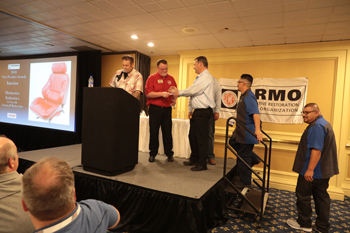
During the ARMO awards presentation, the council will recognize the contributions of individuals and companies in the restoration segment, with awards presented to the winners of the 2019 ARMO Person of the Year and the ARMO Business of the Year. |
|
SEMA’s councils and networks will host the following events at the 2019 SEMA Show, to be held November 5–8, in Las Vegas.
ARMO
ARMO Reception
Gather with members of the Automotive Restoration Market Organization (ARMO), Tuesday, November 5, for an evening of camaraderie and celebration. Billed as the premier event in the automotive restoration industry, the annual ARMO Awards Reception will kick off at 5:15 p.m. at the Westgate Resort & Casino, Conference Rooms 7–14. All ARMO members are invited to attend and enjoy dinner, beverages and networking.
During the awards presentation, the council will recognize the contributions of individuals and companies in the restoration segment, with awards presented to the winners of the 2019 ARMO Person of the Year and the ARMO Business of the Year. The new-product award winners from the ARMO Hot Products Showcase will also be recognized. Mark your calendar for this must-attend event.
Register here.
ARMO/HRIA Booth #23395
ARMO will once again share a booth with the Hot Rod Industry Alliance (HRIA). Because ARMO and HRIA have crossover in membership, the shared space works well for cross collaboration between council members. Select committee members will be in the booth throughout the Show to discuss the benefits of an ARMO membership and opportunities to volunteer and get involved. Six feature vehicles will be on display in the combined booth, three representing the restoration segment and three representing the hot-rod segment. Stop by booth #23395 any time during Show hours to network with restoration professionals and learn about the latest council initiatives.
Breakfast with ARMO
ARMO is holding a general membership meeting at the 2019 SEMA Show. All ARMO members at the Show are encouraged to attend the meeting to learn about the latest council initiatives and discuss industry-specific ideas and concerns. ARMO will also host a barista to make some of your favorite drinks. The meeting will take place Wednesday, November 6, from 7:30 a.m.–9:00 a.m., in the Westgate Conference rooms 7–9.
Register here.
Restoration Builders Panel: Powered by ARMO
Are TV builds a reality? What does it take to be a successful vehicle builder? How do you differentiate yourself? How do you grow your reputation as a top-tier builder? What are the pitfalls? Who do you partner with? Get answers to these questions and more from some of the industries most respected builders. Panelists to be announced. This educational session will take place Wednesday, November 6, from 11:15 a.m.–12:15 p.m., in LVCC room N258.
Register here.
ETTN
ETTN Vehicle Tech Lunch & Learn
The Emerging Trends and Technology Network (ETTN) is hosting its third annual luncheon immediately prior to its education session entitled “Advanced Driver Assistance Systems (ADAS) Forum: Next-Gen Safety Performance.” The ETTN Vehicle Tech Lunch & Learn, geared toward automotive technical, engineering and design professionals will feature food, beverages, presentations and opportunities to discuss the latest trends in automotive technology.
ETTN leadership and SEMA staff will also be on hand to talk about key initiatives of the network, resources available to members and opportunities to get more involved. Additionally, the event will feature an awards ceremony with leading professionals that will be recognized for their contributions to engineering and technical fields. This event will take place Thursday, November 7, from 12:00 p.m.–1:00 p.m., in LVCC room N261.
Register here.
3D Printing in the Automotive Industry: How It Will Benefit Your Business, Powered by ETTN
As manufacturers in the automotive Industry make key decisions about how to become leaner and more competitive, they are implementing additive manufacturing as the technology to transform their future. The integration of additive processes into day-to-day workflow, from initial design through manufacturing processes, have changed the way that an entire industry works. Suppliers and manufacturers of all types and sizes are utilizing 3D printing to advance their productivity in every aspect of their business.
In this presentation, attendees will learn how 3D printing is driving innovation and improving efficiency with quick design iterations and integration of low-cost, quickly built manufacturing tools. Increasing the productivity of workers and their safety is another aspect of how additive manufacturing has made a positive impact. Attendees will also learn about how materials advancement affects the widening use of 3D printing throughout different departments and also bottom lines.
3D printing is keeping companies in the game by minimizing the time to get to market more rapidly, at a lower cost and with fewer mistakes—all important factors to have when design cycles are shorter and more frequent product introductions are necessary in a highly competitive industry. Presenters will share stories about these companies, including SEMA manufacturing members. Join ETTN as the network explores what is happening today, and how the future will be affected as additive manufacturing expands in your industry. This event will take place Monday, November 4, from 2:30 p.m.–3:30 p.m., in LVCC room N254.
Register for the event here.
Racing and Performance Forum: Keeping Technology at the Forefront, Powered by ETTN
Racing technologies and performance products are critical to the continued relevance and innovation within the SEMA community for both traditional members and next-generation performance businesses, enthusiasts and fans. Racing and high-performance cars are central to the future of vehicle electrification and bringing advanced motorsports technologies to the street. SEMA manufacturers need to pay attention to the latest racertainment trends that balance racing and entertainment, and performance developments in electric powertrains and drive-by wire systems. Members attending this forum will hear directly from a full grid of frontline leaders, experts and drivers on the latest technologies and innovations being used in racing and adapted to production and the direction, relevance and importance of motorsports and technology to the future of the performance industry. This event will take place Tuesday, November 5, from 1:00 p.m.–2:30 p.m., in LVCC room N258.
Register for the event here.
Advanced Vehicle Technology: Practice, Policy and Challenges, Powered by ETTN
Advanced vehicle technologies are changing how cars are designed, developed, serviced and customized. SEMA manufacturers, distributors and installers are facing increasing challenges today and in the coming years as vehicles become more complex due to assisted, connected and automated driving technologies, as well as demographic, regulatory, social and environmental pressures. Horsepower and hardware are being matched with computing power, sensors and software. New market segments are being created in Advanced Driver Assistance Systems (ADAS), safety performance, vehicle emissions, electronics, connected and automated driving. This panel session will focus on the practices, challenges, policies and product liability considerations you need to know to grow and prosper in the evolving performance aftermarket. This event will take place Wednesday, November 6, from 10:15 a.m.–11:15 a.m., in LVCC room N258.
Register for the event here.
Automotive 4.0: New Technologies. New Opportunities, Powered by ETTN
Advanced vehicle technologies are changing how cars are designed, developed, manufactured, customized, sold, serviced and owned. We are witnessing one of the most fundamental shifts in the history of the automotive industry. New vehicle technologies from ADAS to autonomy, as well as additive and 3D printing manufacturing processes, combined with demographic, regulatory, social and environmental pressures are driving the shift to Automotive 4.0 cars and trucks will grow smarter and cooler with connected vehicle systems, high-efficiency engines, vehicle electrification, increased personalization and safety performance. This forum will bring together leading technology experts to discuss how SEMA members can compete in today’s rapidly evolving market segments as well as understand and leverage new aftermarket growth opportunities and the latest product development, generative design and manufacturing technologies. Welcome to the future of performance. Welcome to Automotive 4.0. This event will take place Wednesday, November 6, from 1:00 p.m.–2:30 p.m., in LVCC room N258.
Register for the event here.
Advanced Driver Assistance Systems (ADAS) Forum: Next-Gen Safety Performance, Powered by ETTN
ADAS are active and passive safety performance technologies developed to automate vehicle systems for safer driving. Electronic Stability Control (ESC) was one of the first ADAS technologies deployed and regulated in global vehicle markets. Leading SEMA companies customize with confidence and ensure compliance by knowing how ADAS and the latest safety performance technologies are impacting their products, installations and businesses. Many ADAS systems are already onboard the most popular vehicles being modified by SEMA members. If you want to ensure your aftermarket products and modifications can be successfully integrated with the latest factory-installed ADAS technologies and comply with functional, system and federal motor vehicle safety regulations, then this forum is for you. This briefing will discuss the new business opportunities for passive aftermarket ADAS products, the challenges SEMA members encounter and identify potential resources, practices, tools and approaches required to develop solutions. This event will take place Thursday, November 7, from 1:00 p.m.–2:30 p.m., in LVCC room N258.
Register for the event here.
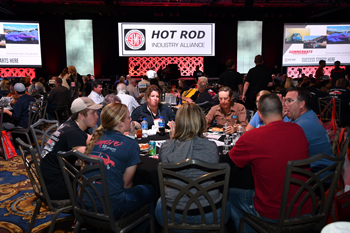
Join the Hot Rod Industry Alliance (HRIA) as members get together for a lively evening of networking, appetizers, beverages and celebration of individuals and companies that have contributed to the progress of the hot-rod industry. |
|
HRIA
HRIA Reception
Join the Hot Rod Industry Alliance (HRIA) as members get together for a lively evening of networking, appetizers, beverages and celebration of individuals and companies that have contributed to the progress of the hot-rod industry. The much-anticipated event is slated for Wednesday, November 6, from 5:15 p.m.–8:30 p.m., at the Westgate Paradise Center. Mix and mingle with industry friends in a relaxed environment. Grab a drink, a plate of snacks and settle in at a table to watch the show. After the colors are presented by the color guard and the national anthem is sung, John McLeod will emcee the event as industry leaders are awarded and recognized for their outstanding achievements.
Companies may also purchase reserved tables for the best seats in the house. All proceeds from table reservations benefit the SEMA Memorial Scholarship Fund. But act fast; tables sell out quickly. To reserve a table, email Jim Skelly at jimsk@sema.org.
Register here.
ARMO/HRIA Booth #23395
Catch HRIA members and select committee members in the HRIA booth located in Hot Rod Alley in Central Hall booth #23395. HRIA and ARMO have historically shared one large booth space allowing cross collaboration between the two councils. The booth is commonly referred to as “Central Park” because it is always buzzing and has nice sitting areas for meeting other industry and council members.
Within the booth, attendees will find six display vehicles, three from the restoration segment and three from the hot-rod segment. Two of the booth display vehicles will start the Show covered until the reveal on on Tuesday, November 5, at 11:00 a.m.
Hot Rod Builder Panel, Powered by HRIA
On Thursday, November 7, join an interactive panel discussion with well-established hot-rod builders and shop owners. Led by Rick Love of Vintage Air, the builders will go through their best practices in customer-relations, business operations and building tips, tricks and stories. This event will take place Thursday November 7, from 11:00 a.m.–12:00 p.m., in LVCC room N258.
Register here.
PRO
PRO Reception
Soak up the Vegas vibe at the liveliest party in town: the Professional Restylers Organization (PRO) Industry Awards Reception, set for Tuesday, November 5, from 5:30 p.m.–7:30 p.m., at the Westgate Las Vegas Resort & Casino pool deck. Mix and mingle with industry icons, leaders and friends as PRO celebrates in high style.
Enjoy live music, hot hors d’oeuvres, beverages and conversation in a relaxing moonlight setting. Celebrate the growth and progress of the restyling industry during the awards reception as PRO tips its hat to top performers in four categories: Restyler of the Year, Manufacturer of the Year, Nat Danas Person of the Year and the Jim Borré Lifetime Achievement recipient. All members are invited to attend the PRO networking event of the year.
Register here.
PRO Happy Hour
PRO will host a happy hour in its booth #13113 Wednesday, November 6, from 4:00 p.m.–5:00 p.m. Join PRO members and fellow restylers to wind down from a long day on the Show floor with free beverages and engaging conversation. Discuss different topics relating to the industry, including the emerging market of retrofitting safety features into vehicles and what you can do for your business to prosper.
Learn more about the benefits of a PRO membership and connect with select-committee members who can help you get plugged in. The council offers many volunteer opportunities that lend a way to give back to the industry.
Register here.
PRO General Membership Meeting
Join PRO for breakfast and a general membership meeting Thursday, November 7. This event will serve as a great opportunity to hear council updates directly from PRO leadership and learn about the benefits and resources available to PRO members. Meeting attendees will openly discuss the state of the industry, voice concerns about roadblocks their company is facing and learn how the council can work towards solutions. The meeting will take place in LVCC N232. Join PRO for breakfast starting at 7:30 a.m. and the meeting will kick off at 8:00 a.m.
Register here.
PRO Booth #13113
PRO will have a booth located among its members in the North Hall of the Las Vegas Convention Center during the 2019 SEMA Show. Throughout the week, Show attendees will find PRO members, members of the council’s select committee and SEMA staff in the booth, networking and chatting about the latest trends in restyling. Attendees are encouraged to stop by any time during Show hours to learn more about PRO and the benefits of membership.
Accelerate Sales and Profits in a Challenging Market—Powered by PRO
The auto industry in a state of flux, and car dealers are feeling the pinch. New-vehicle sales are down. Dealer margins are shrinking. Now more than ever, dealers need to find new ways to rejuvenate sales and maximize gross profit on every vehicle they sell. Discover untapped opportunities. Listen and learn as an expert panel of restylers and auto dealers share real-world solutions to dramatically drive up sales and create high-margin profit centers in every department, from new and used vehicles to body shops, F&I and fixed operations. The meeting will take place Wednesday, November 6, in LVCC N256, from 11:15 a.m.–12:15 p.m.
Register here.
Up Your Game: Harness Your Marketing and Sales Skills—Powered by PRO
Learn effective sales and marketing techniques and how to achieve positive results. Gain practical know-how on developing a successful dealer-direct campaign and what it takes to supercharge your sales career. Build your image as a restyling and accessory pro, and become a recognized expert. Discover how to earn a professional designation—the SEMA Accessory Sales Professional Certificate—which recognizes individual achievement, knowledge and expertise, and delivers a marketing advantage essential to making your business stronger, more competitive and more profitable. The meeting will take place Wednesday, November 6, in LVCC N254, from 2:15 p.m.–3:15 p.m.
Register here.
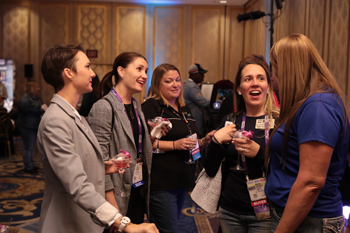
The SEMA Businesswomen’s Network (SBN) reception offers industry women an opportunity to celebrate and network with industry peers. |
|
SBN
Women Only: Gear Up Girl Networking Event, Powered by SBN
Calling Female Professionals: The SEMA Businesswomen’s Network (SBN) will again host the Gear-up Girl networking event, Monday, November 4, from 3:30 p.m.–5:00 p.m., in LVCC N264. Started in 2011 as part of the SEMA Education student program, Gear-up Girl is designed to connect female students with industry-leading female professionals. Join SBN for this dynamic mixer that brings together generations of female professionals
The SBN Gear-up Girl event serves not only as a networking opportunity for professionals, but also as an opportunity to give back to the industry. Sharing your story and relating to female students will mean so much to them, and something you say to them might inspire the next female automotive CEO. An awards ceremony also takes place during the event to highlight leading women.
For more information, contact SEMA Director of Councils & Networks Bryan Harrison at bryanh@sema.org or 909-978-6691.
Register here.
SBN Reception
The SEMA Businesswomen’s Network (SBN) invites industry women to attend an evening of celebration and networking. The annual SBN Reception will be held Wednesday, November 6, from 5:00 p.m.–7:00 p.m., at the Westgate Las Vegas Resort & Casino in Ballroom D. There’s no better way to close out the second day of the Show than by mingling with fellow women of the industry while enjoying finger foods and beverages.
SBN select committee members will circulate throughout the evening, networking with current members and with other women interested in learning more about SBN. Committee members are great resources for any questions about the network and can explain how and why to get more involved.
Register here.
Men as Allies: How Allies Partner for Equality, Powered by SBN
In this highly collaborative talk, speaker, trainer and author Julie Kratz from Pivot Point will share stories, ideas, and research from her book, ONE: How Male Allies Support Women for Gender Equality, with four proven strategies for men and women to succeed together. Leaders who partner together do these things well: they practice empathy, listen, speak up and integrate work and life. Together, we will unpack these core objectives:
- Build a plan using proven strategies to engage allies in your diverse and inclusive workplace.
- Collaboratively create and enhance your allyship plan with leaders with unique perspectives and backgrounds.
- Apply tangible tools and techniques to facilitate interactive discussions on allies in your organization. Attendees will walk away with tangible tools and strategies to engage allies and be even more of an ally.
This session will take place Tuesday, November 5, from 3:30 p.m.–4:30 p.m., in LVCC N252.
Register here.
TORA
TORA Reception
Calling all truck and off-road professionals! You’re invited to attend the annual TORA Reception, hosted by the Truck & Off-Road Alliance. The fun-filled event is set to take place Wednesday, November 6, at 5:00 p.m., in front of the South Hall adjacent to the Hoonigan SEMA of Shred feature. Unwind after a busy day at the Show. Enjoy beverages and appetizers under the stars, while networking with industry colleagues and friends. Join in honoring leading companies and individuals during the awards presentation.
The iconic Pinewood Drag Races will once again take place this year. Sponsor a vehicle by donating to SEMA Cares children’s charities, and cheer as your pinewood car competes. A raffle for door prizes will also be held, with all proceeds donated to the charities.
Register here.
TORA Happy Hour
Join council members, select-committee members and SEMA staff for a happy hour on the Show floor in the TORA Booth #34185. The event will kick off just before the close of the first day of the Show, Tuesday, November 5. Surrounded by the hottest truck builds in the world, attendees will enjoy free beverages and conversation with fellow truck and off-road industry associates. There is always much excitement and buzz surrounding the SEMA Show; what better way to wind down from the first day than swapping stories with industry friends and making new connections? This event will take place Tuesday, November 5, from 4:00 p.m.–5:00 p.m., in TORA booth #34185.
Register here.
TORA Booth #34185
The TORA booth at the 2019 SEMA Show will be located in the Upper South Hall of the LVCC, centrally located among its member companies. The space serves as a place for industry members to connect, network and take a break from walking the Show. Select-committee members will be in the booth to talk about the benefits of a TORA membership and the resources available to member companies. The booth will have a vehicle on display from the TORA Feature Vehicle Program. Be sure to check out the modifications and customization that went into creating the one-of-a-kind vehicle. The council will have a total of six feature vehicles displayed throughout the Show.
WTC
WTC Reception
Join the Wheel and Tire Council (WTC) and hundreds of wheel and tire industry members for an evening of celebration and networking in a relaxed atmosphere by the Renaissance Hotel pool, Tuesday, November 5, from 5:00 p.m.–7:00 p.m. Enjoy connecting with industry professionals and catching up with friends over food and beverages as WTC marks 20 years of serving the wheel and tire segment.
Talk about what’s happening in the industry, exchange special moments and must-see attractions from this year’s SEMA Show. Join in honoring a wheel and tire industry pioneer who will be inducted into the WTC Hall of Fame during the awards presentation. Learn how you can get involved in WTC.
Register here.
Coffee and Conversation Presented by WTC
Come out and enjoy bagels and coffee with the Wheel and Tire Council (WTC) the morning of Thursday, November 7, just inside of the west entrance to the Global Tire Expo located Inside Lower South 1. Get your day started with energy and engaging conversations on the latest wheel and tire trends. Learn about updates to council initiatives and resources that are available to member companies.
Select-committee members and SEMA staff will be on hand to discuss how individuals can become more involved in the industry through the WTC, Thursday, November 7, from 8:00 a.m.–9:00 a.m. at the front of Lower South Hall.
Register here.
YEN
YEN Reception
The Young Executives Network (YEN) is hosting its popular annual awards reception. The dynamic event is an outstanding networking opportunity and is highly anticipated amongst the industry’s young professionals. Enjoy connecting with other young professionals over food, drinks and conversation on Tuesday, November 5, from 5:00 p.m.–7:30 p.m., at the Westgate Paradise Center.
YEN Select Committee members will be on hand to talk about opportunities to get more involved in the network’s initiatives. The event also will honor top young professionals for their outstanding accomplishments within the industry. During the reception, YEN will name one leading professional as Young Executive of the Year and celebrate an individual who actively supports young people in the industry with the YEN Vanguard award. This is one event you don’t want to miss.
Register here.
SEMA YEN Top Golf General Membership Meeting
YEN will host a special membership event at Top Golf in Las Vegas during the SEMA Show. This fun and unique new format for the YEN general membership meeting will be held Monday, November 4, from 5:30 p.m.–7:30 p.m., and be capped at 50 YEN members.
All YEN members and those interested in learning about opportunities to get involved with SEMA and build industry connections are encouraged to attend. YEN leadership will be present to discuss the network’s initiatives, volunteer opportunities and additional ways to get more involved.
RSVP through Eventbrite.
Please note that tickets are limited to 50 members and direct invitations will be sent from YEN select committee leadership to the members who placed an RSVP through Eventbrite.
SEMA Launch Pad the Next Great Business: Entrepreneurs Pitch Their Ideas
The SEMA Launch Pad is the premiere automotive entrepreneur business competition, and the finals are being held at the 2019 SEMA Show. The event will be held Monday, November 4—one day before the SEMA Show officially opens in the Westgate Las Vegas Resort & Casino theater, from 11:30 a.m.–12:30 p.m.
After more than 75 qualified applicants, the contest has been narrowed down to the top 10 contestants who will participate in this live event. Each contestant has a new automotive product or service that they will pitch to a panel of iconic industry judges who will decide the ultimate winner for the 2019 program. Designed to take their business and product to the next level, the grand-prize includes opportunities for marketing and exposure through industry media outlets, a turn-key SEMA Show booth for 2019, access to business tools and resources and so much more.
Register here.