Thu, 06/11/2020 - 09:02

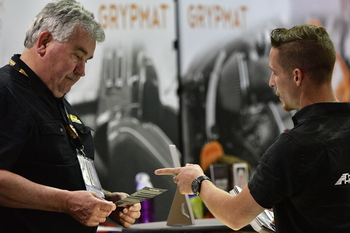
It’s not too late to exhibit at the 2020 SEMA Show, November 3-6, in Las Vegas. The online Exhibitor Services Manual contains all of the resources pertinent to a successful exhibit in November.

http://www.semashow.com/buyabooth

Thu, 06/11/2020 - 09:02

It’s not too late to exhibit at the 2020 SEMA Show, November 3-6, in Las Vegas. The online Exhibitor Services Manual contains all of the resources pertinent to a successful exhibit in November.

http://www.semashow.com/buyabooth

Thu, 06/11/2020 - 08:59

SEMA-member companies have posted several new listings for job opportunities in the Classifieds page of SEMA.org.

Thu, 06/11/2020 - 08:55

By SEMA Washington, D.C., Staff

The U.S. Senate voted to take up the Great American Outdoors Act (GAOA), a bill that is critically important to revitalizing America’s outdoor recreation industry. The GAOA would dedicate $9.5 billion over the next five years to address the maintenance backlog on federally owned lands by creating a national parks and public land legacy restoration fund. The bill would also appropriate $900 million annually to the Land and Water Conservation Fund (LWCF), which allocates funding to protect natural areas, water resources, cultural heritage sites and to provide recreation opportunities. The SEMA-supported legislation is critical to addressing the infrastructure needs facing our public lands and waters, such as improving trails, roads, docks, campgrounds and more. The GAOA will receive a final vote in the Senate in the next few days.

Passage of the GAOA would benefit many SEMA members in the off-road market (four-wheel, ATVs and UTVs) in addition to companies producing and selling wheels/tires, suspension, power and other equipment to help tow RVs and boats to the nation’s parks and recreation areas. More than 90 outdoor recreation related companies, including several SEMA members, sent a letter calling on the U.S. Congress to pass the GAOA. Addressing the infrastructure needs of our public lands will create jobs and provide Americans with access to open spaces.

For more information, contact Eric Snyder at erics@sema.org.

Thu, 06/11/2020 - 08:55

By SEMA Washington, D.C., Staff

The U.S. Senate voted to take up the Great American Outdoors Act (GAOA), a bill that is critically important to revitalizing America’s outdoor recreation industry. The GAOA would dedicate $9.5 billion over the next five years to address the maintenance backlog on federally owned lands by creating a national parks and public land legacy restoration fund. The bill would also appropriate $900 million annually to the Land and Water Conservation Fund (LWCF), which allocates funding to protect natural areas, water resources, cultural heritage sites and to provide recreation opportunities. The SEMA-supported legislation is critical to addressing the infrastructure needs facing our public lands and waters, such as improving trails, roads, docks, campgrounds and more. The GAOA will receive a final vote in the Senate in the next few days.

Passage of the GAOA would benefit many SEMA members in the off-road market (four-wheel, ATVs and UTVs) in addition to companies producing and selling wheels/tires, suspension, power and other equipment to help tow RVs and boats to the nation’s parks and recreation areas. More than 90 outdoor recreation related companies, including several SEMA members, sent a letter calling on the U.S. Congress to pass the GAOA. Addressing the infrastructure needs of our public lands will create jobs and provide Americans with access to open spaces.

For more information, contact Eric Snyder at erics@sema.org.

Thu, 06/11/2020 - 08:55

By SEMA Washington, D.C., Staff

The U.S. Senate voted to take up the Great American Outdoors Act (GAOA), a bill that is critically important to revitalizing America’s outdoor recreation industry. The GAOA would dedicate $9.5 billion over the next five years to address the maintenance backlog on federally owned lands by creating a national parks and public land legacy restoration fund. The bill would also appropriate $900 million annually to the Land and Water Conservation Fund (LWCF), which allocates funding to protect natural areas, water resources, cultural heritage sites and to provide recreation opportunities. The SEMA-supported legislation is critical to addressing the infrastructure needs facing our public lands and waters, such as improving trails, roads, docks, campgrounds and more. The GAOA will receive a final vote in the Senate in the next few days.

Passage of the GAOA would benefit many SEMA members in the off-road market (four-wheel, ATVs and UTVs) in addition to companies producing and selling wheels/tires, suspension, power and other equipment to help tow RVs and boats to the nation’s parks and recreation areas. More than 90 outdoor recreation related companies, including several SEMA members, sent a letter calling on the U.S. Congress to pass the GAOA. Addressing the infrastructure needs of our public lands will create jobs and provide Americans with access to open spaces.

For more information, contact Eric Snyder at erics@sema.org.

Thu, 06/11/2020 - 08:41

By SEMA Washington, D.C., Staff

The Paycheck Protection Program Flexibility Act was signed into law on June 5, and provides companies more flexibility on the use of funds from the U.S. Small Business Administration’s (SBA) Paycheck Protection Program (PPP). Businesses are encouraged to contact participating lenders prior to the June 30 deadline. Highlights of the program include:

  • Loan Amount: PPP loans equal the average of one month’s 2019 payroll multiplied by 2.5 (capped at $10 million).
  • Amount Forgiven: The SBA will forgive that portion of the loan used to cover payroll, rent payments, mortgage interest and the cost of utilities for a fixed period of time. As a result of the PPP Flexibility Act, the employer may now choose the covered period, either: (a) eight consecutive weeks from when the loan was received, or (b) up to 24 weeks from when the loan was received or on December 31, 2020, whichever comes first.
  • Use of Funds: PPP funds can be used to cover payroll, mortgage or rent payments, utilities and other specified expenses. At least 60% of the amount to be forgiven must be spent on payroll, which includes employee benefit costs for vacation, sick/parental leave, insurance premiums, retirement benefits and state and local taxes.
  • Interest Rate and Repayment Terms: The loan interest rate is 1%. Repayments on any amount not forgiven is deferred at least 10 months after the end of the covered period, with a two-year term for loans secured before June 5, and five-year term for loans on or after that date.
  • Rehiring Workers: Employers have until December 31, 2020, to rehire workers and have their salaries count toward forgiveness.
  • Payroll Taxes: Businesses receiving a PPP loan may also defer payment of 2020 payroll taxes.
  • Apply Now: The deadline for application approval is June 30, 2020. Companies are encouraged to apply as quickly as possible because there is only $130 billion left to be lent (as of June 7, 2020). Click here for more information.
  • Find a Bank: Companies looking to apply for PPP loans are encouraged to use the SBA’s “Find Local Lenders” page to locate the nearest PPP lending institutions.

For more information:

Thu, 06/11/2020 - 08:41

By SEMA Washington, D.C., Staff

The Paycheck Protection Program Flexibility Act was signed into law on June 5, and provides companies more flexibility on the use of funds from the U.S. Small Business Administration’s (SBA) Paycheck Protection Program (PPP). Businesses are encouraged to contact participating lenders prior to the June 30 deadline. Highlights of the program include:

  • Loan Amount: PPP loans equal the average of one month’s 2019 payroll multiplied by 2.5 (capped at $10 million).
  • Amount Forgiven: The SBA will forgive that portion of the loan used to cover payroll, rent payments, mortgage interest and the cost of utilities for a fixed period of time. As a result of the PPP Flexibility Act, the employer may now choose the covered period, either: (a) eight consecutive weeks from when the loan was received, or (b) up to 24 weeks from when the loan was received or on December 31, 2020, whichever comes first.
  • Use of Funds: PPP funds can be used to cover payroll, mortgage or rent payments, utilities and other specified expenses. At least 60% of the amount to be forgiven must be spent on payroll, which includes employee benefit costs for vacation, sick/parental leave, insurance premiums, retirement benefits and state and local taxes.
  • Interest Rate and Repayment Terms: The loan interest rate is 1%. Repayments on any amount not forgiven is deferred at least 10 months after the end of the covered period, with a two-year term for loans secured before June 5, and five-year term for loans on or after that date.
  • Rehiring Workers: Employers have until December 31, 2020, to rehire workers and have their salaries count toward forgiveness.
  • Payroll Taxes: Businesses receiving a PPP loan may also defer payment of 2020 payroll taxes.
  • Apply Now: The deadline for application approval is June 30, 2020. Companies are encouraged to apply as quickly as possible because there is only $130 billion left to be lent (as of June 7, 2020). Click here for more information.
  • Find a Bank: Companies looking to apply for PPP loans are encouraged to use the SBA’s “Find Local Lenders” page to locate the nearest PPP lending institutions.

For more information:

Thu, 06/11/2020 - 08:41

By SEMA Washington, D.C., Staff

The Paycheck Protection Program Flexibility Act was signed into law on June 5, and provides companies more flexibility on the use of funds from the U.S. Small Business Administration’s (SBA) Paycheck Protection Program (PPP). Businesses are encouraged to contact participating lenders prior to the June 30 deadline. Highlights of the program include:

  • Loan Amount: PPP loans equal the average of one month’s 2019 payroll multiplied by 2.5 (capped at $10 million).
  • Amount Forgiven: The SBA will forgive that portion of the loan used to cover payroll, rent payments, mortgage interest and the cost of utilities for a fixed period of time. As a result of the PPP Flexibility Act, the employer may now choose the covered period, either: (a) eight consecutive weeks from when the loan was received, or (b) up to 24 weeks from when the loan was received or on December 31, 2020, whichever comes first.
  • Use of Funds: PPP funds can be used to cover payroll, mortgage or rent payments, utilities and other specified expenses. At least 60% of the amount to be forgiven must be spent on payroll, which includes employee benefit costs for vacation, sick/parental leave, insurance premiums, retirement benefits and state and local taxes.
  • Interest Rate and Repayment Terms: The loan interest rate is 1%. Repayments on any amount not forgiven is deferred at least 10 months after the end of the covered period, with a two-year term for loans secured before June 5, and five-year term for loans on or after that date.
  • Rehiring Workers: Employers have until December 31, 2020, to rehire workers and have their salaries count toward forgiveness.
  • Payroll Taxes: Businesses receiving a PPP loan may also defer payment of 2020 payroll taxes.
  • Apply Now: The deadline for application approval is June 30, 2020. Companies are encouraged to apply as quickly as possible because there is only $130 billion left to be lent (as of June 7, 2020). Click here for more information.
  • Find a Bank: Companies looking to apply for PPP loans are encouraged to use the SBA’s “Find Local Lenders” page to locate the nearest PPP lending institutions.

For more information:

Thu, 06/11/2020 - 08:41

By SEMA Washington, D.C., Staff

The Paycheck Protection Program Flexibility Act was signed into law on June 5, and provides companies more flexibility on the use of funds from the U.S. Small Business Administration’s (SBA) Paycheck Protection Program (PPP). Businesses are encouraged to contact participating lenders prior to the June 30 deadline. Highlights of the program include:

  • Loan Amount: PPP loans equal the average of one month’s 2019 payroll multiplied by 2.5 (capped at $10 million).
  • Amount Forgiven: The SBA will forgive that portion of the loan used to cover payroll, rent payments, mortgage interest and the cost of utilities for a fixed period of time. As a result of the PPP Flexibility Act, the employer may now choose the covered period, either: (a) eight consecutive weeks from when the loan was received, or (b) up to 24 weeks from when the loan was received or on December 31, 2020, whichever comes first.
  • Use of Funds: PPP funds can be used to cover payroll, mortgage or rent payments, utilities and other specified expenses. At least 60% of the amount to be forgiven must be spent on payroll, which includes employee benefit costs for vacation, sick/parental leave, insurance premiums, retirement benefits and state and local taxes.
  • Interest Rate and Repayment Terms: The loan interest rate is 1%. Repayments on any amount not forgiven is deferred at least 10 months after the end of the covered period, with a two-year term for loans secured before June 5, and five-year term for loans on or after that date.
  • Rehiring Workers: Employers have until December 31, 2020, to rehire workers and have their salaries count toward forgiveness.
  • Payroll Taxes: Businesses receiving a PPP loan may also defer payment of 2020 payroll taxes.
  • Apply Now: The deadline for application approval is June 30, 2020. Companies are encouraged to apply as quickly as possible because there is only $130 billion left to be lent (as of June 7, 2020). Click here for more information.
  • Find a Bank: Companies looking to apply for PPP loans are encouraged to use the SBA’s “Find Local Lenders” page to locate the nearest PPP lending institutions.

For more information: