Story and photos by Andreas Conradt, Automedia
Compact and Electric: The All-New Hyundai Ioniq 3
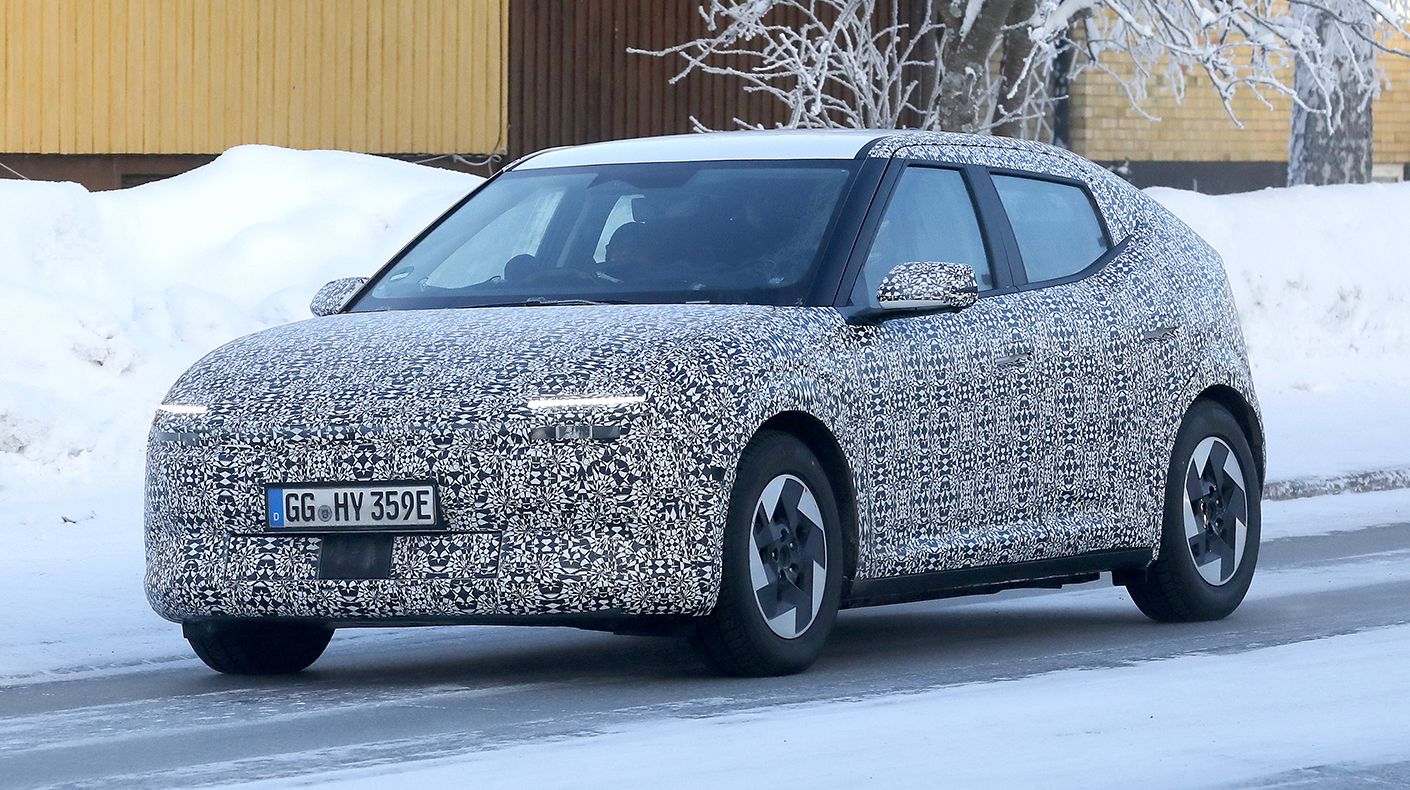
The fully electric Hyundai Concept Three celebrated its world premiere at IAA 2025. It is the first compact electric car concept under Hyundai's Ioniq sub-brand and is intended to provide a glimpse into the European EV compact segment. The production model, named Hyundai Ioniq 3, will be positioned between the equally new Inster and the comparably sized but more practical Kona Electric starting in 2026, possibly even replacing the latter in the long term. However, this is speculation.
Like most of the group's electric cars, the Hyundai Ioniq 3 will be based on the extremely flexible E-GMP architecture. It is, therefore, very likely that, like its sister model, the Kia EV3, it will have a 110-kW (150hp) electric motor on the front axle.
It is also conceivable that there will be two battery sizes to choose from. In the case of the EV3, the 58.3-kWh battery is said to enable a range of 271 miles, while the 81.4-kWh variant is said to enable a range of 376 miles. Thanks to its more aerodynamic shape, however, the Ioniq 3 could squeeze a few extra miles out of the battery packs. DC charging is possible on its sister model at up to 101 or 128 kW, with the preconditioned battery expected to go from 10% to 80% in 30 minutes.
The question of a sporty top-of-the-range model is interesting, as Kia recently unveiled the 215 kW (292 hp) EV3 GT. An equivalent Hyundai Ioniq 3 N is not unrealistic, especially since the discontinuation of the i30 N has left a gap in the compact sports car segment. It could also compete with the VW ID.3 GTX.
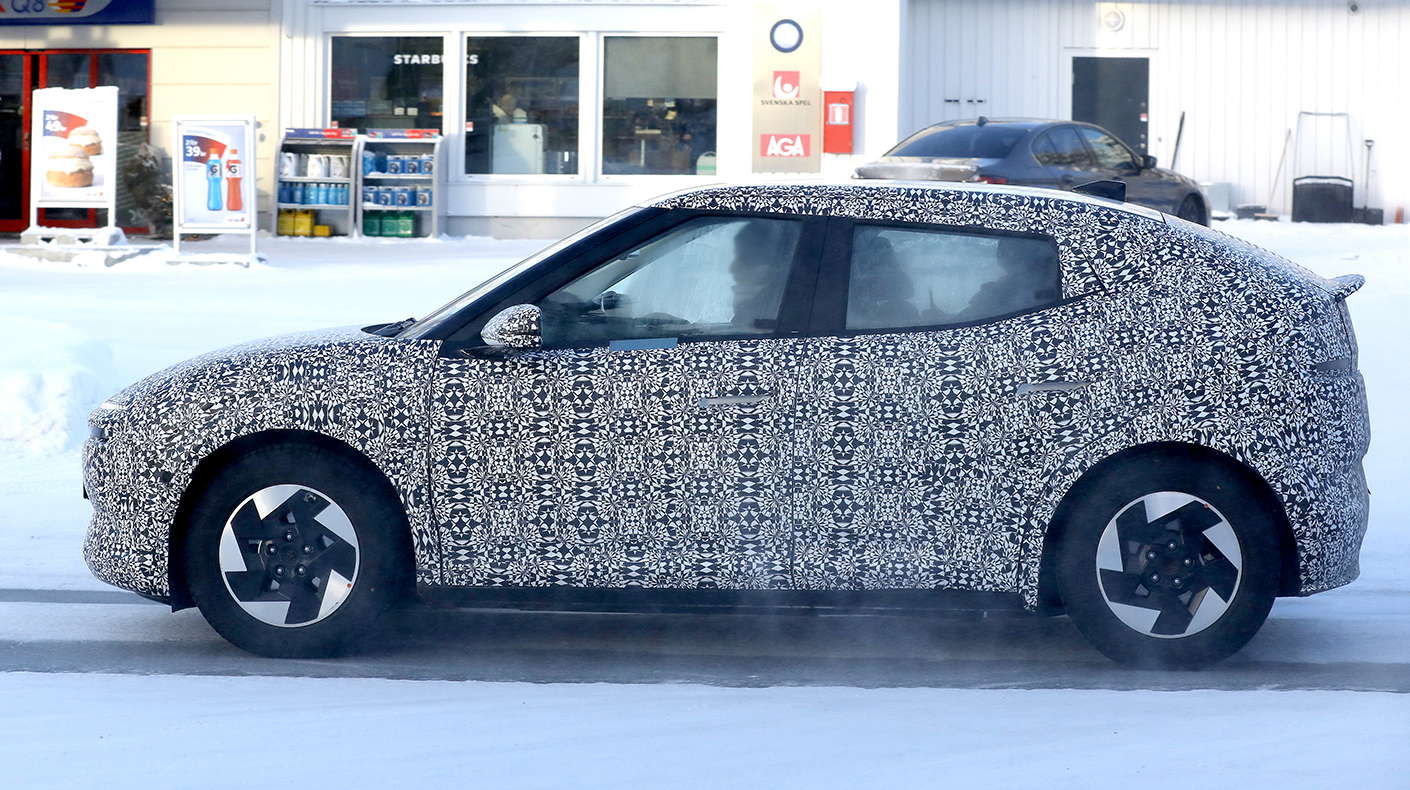
Images of a still-camouflaged prototype paint a fairly clear picture of what the Hyundai Ioniq 3 is likely to look like as a production model. Similarities with the Hyundai Veloster are hard to ignore. This impression is created in particular by the similarly sloping roof, contrasted by a window line that rises toward the rear.
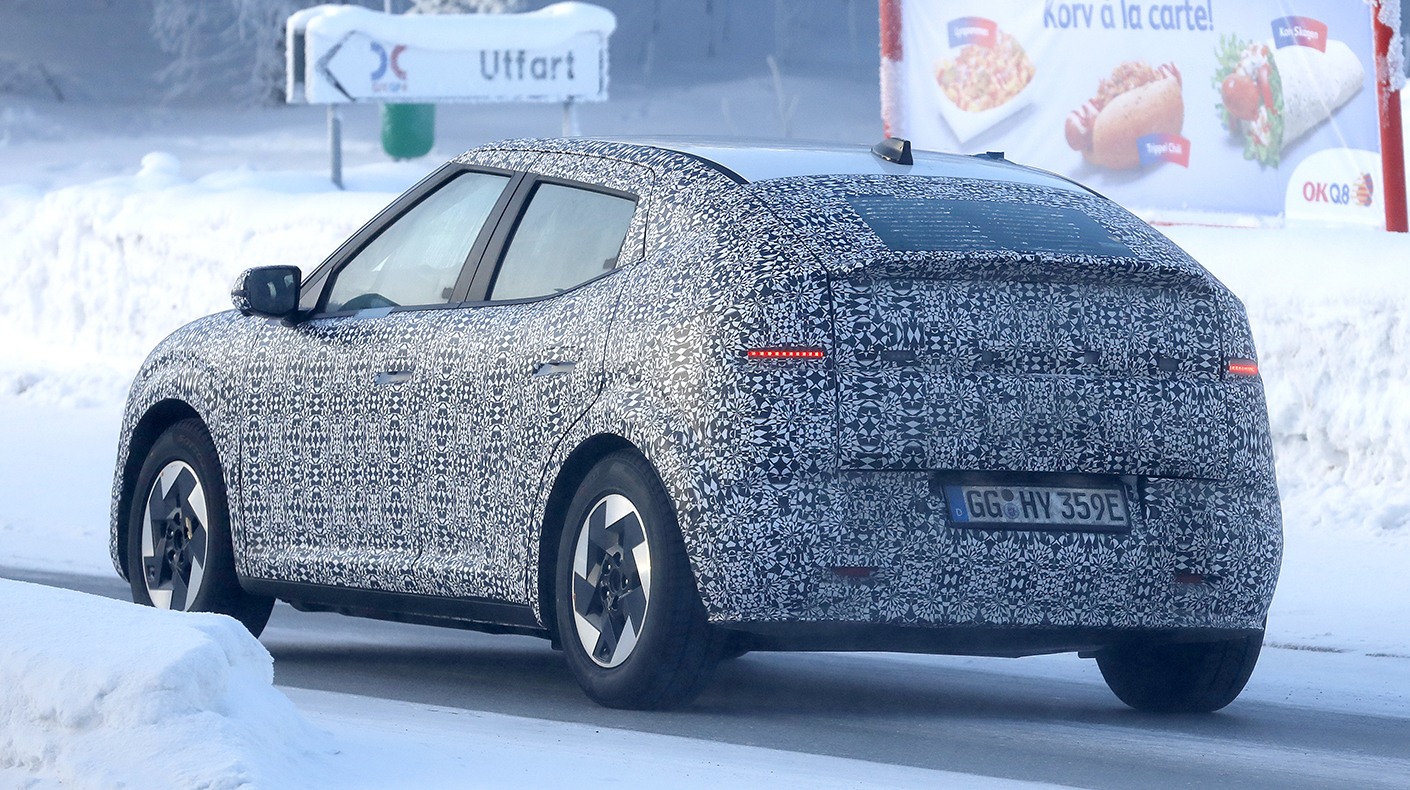
As is typical for electric cars, the wheelbase is relatively long while the overhangs are kept short. At the front we see split headlights, which we also know from the facelifted Ioniq 6. The rear spoiler, which also includes a rearview camera, is striking. One more note on the expected dimensions of the production model: the approximately 4.3m-long Concept Three is likely to provide another indication.
Thinner Camouflage: The Next-Generation Hyundai Bayon
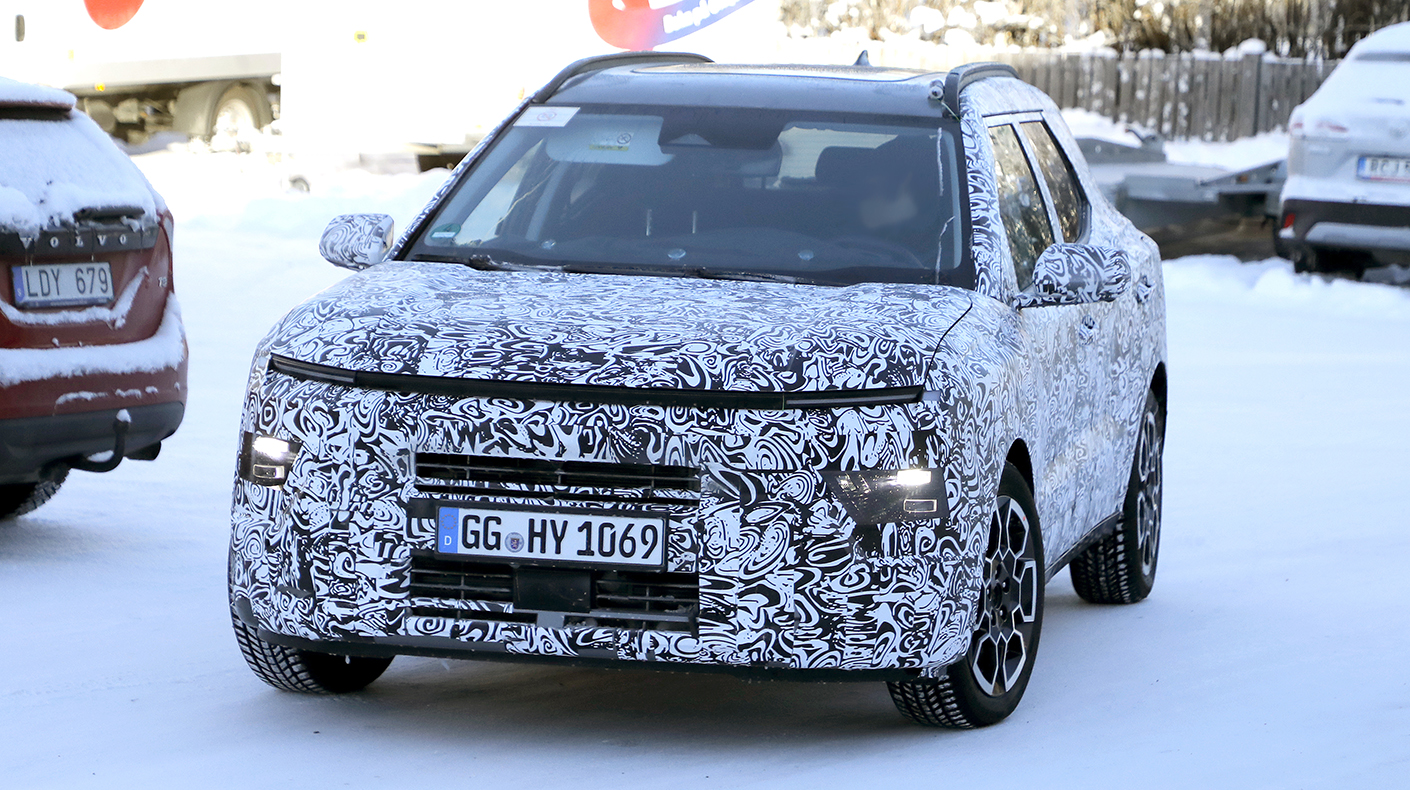
Despite extreme winter temperatures, a prototype of the next-generation Hyundai Bayon took off the thick winter clothing it wore last week and lets us get a more detailed look at its new shape.
Hyundai is accelerating its global SUV lineup with the next-generation Hyundai Bayon, codenamed BC4. Thanks to these new spy shots, we can now position the new Bayon as a potential game changer in the subcompact SUV segment, with fresh styling, more space than its predecessor and equipment and powertrain options that edge into territory occupied by the current Hyundai Kona.
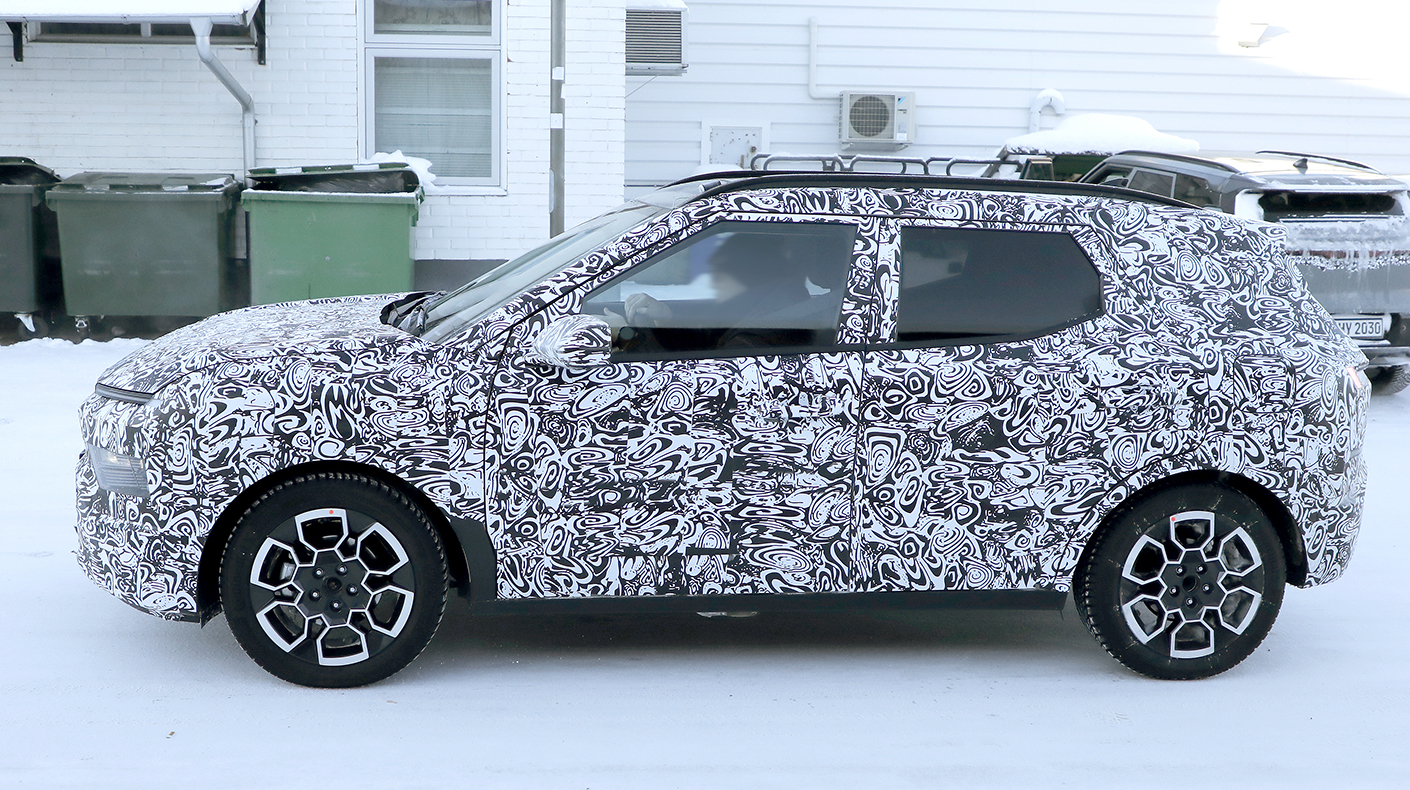
Unlike the outgoing Bayon, which has often been described as a hatchback-based crossover, the BC4 generation appears to have grown in size and presence. The spy shots indicate a boxier silhouette and a more conventional SUV stance, moving beyond its earlier design roots.
While exact dimensions for the BC4 are not yet confirmed, industry insiders suggest Hyundai has given the new Bayon a longer wheelbase and broader track to improve interior space, cargo capacity and overall road presence. This positions it as a more mature SUV choice and could make it more competitive against rivals that offer vehicles with a similar footprint.
Early reports also hint at a significant interior overhaul, with a fully digital instrument cluster, larger touchscreen display and an upgraded suite of safety technology. These enhancements would not only modernize the Bayon but also align it with current segment leaders in features and comfort.
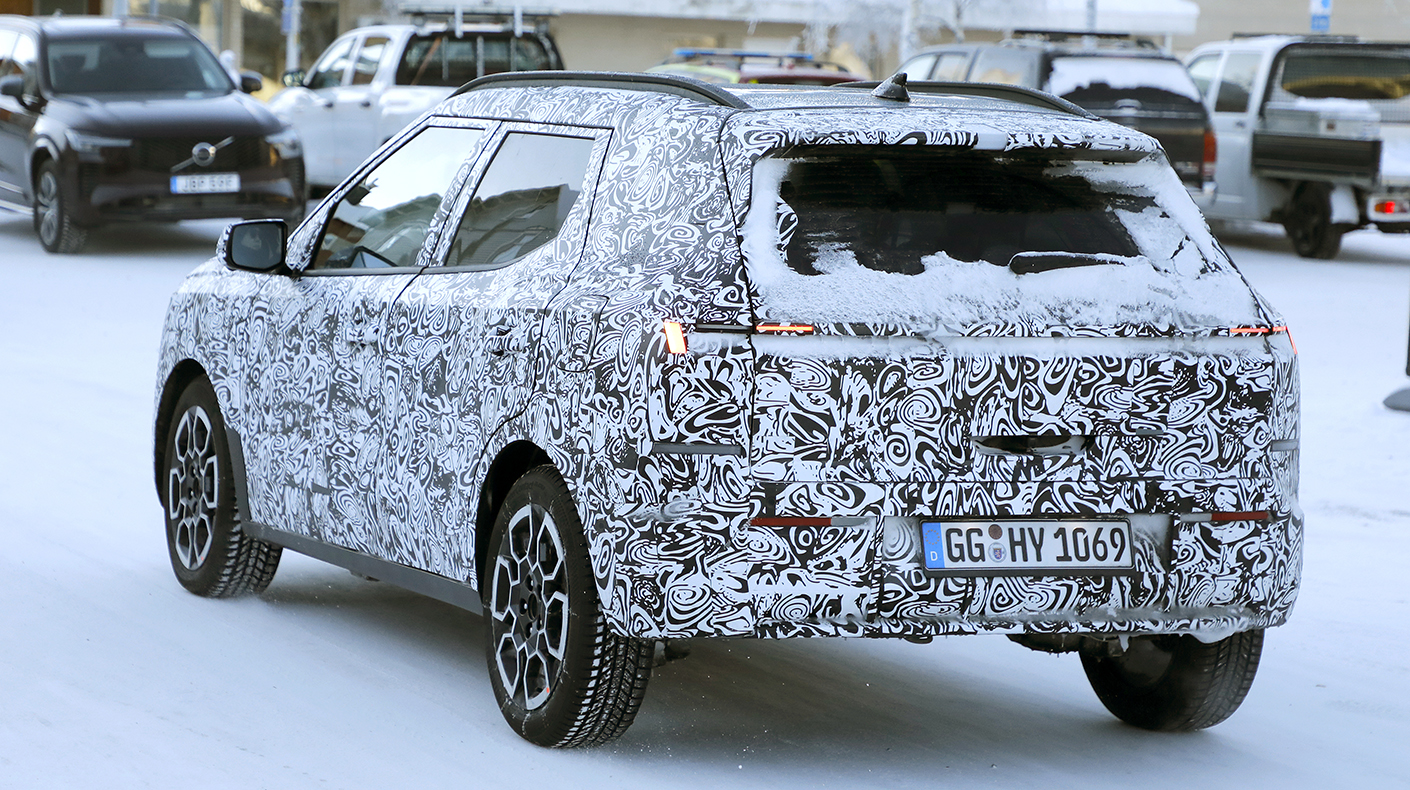
One of the most intriguing implications of the next-gen Bayon's evolution is its potential impact on Hyundai Kona sales. Traditionally, the Kona sits above the Bayon in the lineup, offering more powertrain options including full EV variants in some markets. However, with the Bayon BC4 becoming larger, better equipped and available with a hybrid powertrain and sportier N Line trim, it may attract buyers who might otherwise have stepped up to the Kona, especially those prioritizing efficiency, price and everyday usability.
A larger, more refined Bayon could be especially appealing in markets where pricing sensitivity is high and hybrid efficiency is a strong selling point. If Hyundai positions the BC4 competitively, it could shrink the Kona's sweet spot, particularly for consumers who do not need the full performance or EV capabilities of the Kona lineup.
Hyundai has not formally confirmed specifications or launch dates for the next-generation Bayon, but automotive news outlets expect a global debut in 2026, with production versions appearing first in Europe and South Korea before rolling out to other markets. Given Hyundai's aggressive electrification and SUV expansion plans, the BC4 Bayon may play a key role in its strategy to capture more of the compact SUV segment worldwide.