

Image
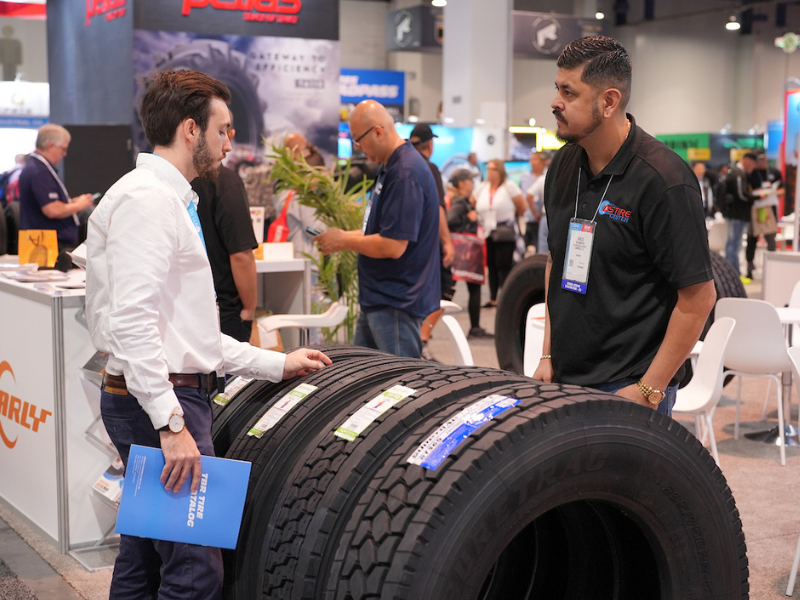
The SEMA Show is one of the aftermarket's biggest opportunities to showcase products, build relationships and generate business. But a successful show isn't just about having an impressive booth—it's about making meaningful connections and turning those conversations into results.
Use these best practices to help your team maximize its return on investment (ROI).
Before the Show
- Set clear goals. Define what success looks like, whether it's generating qualified leads, meeting existing customers, introducing new products or identifying potential business partners.
- Prepare your team. Make sure every booth staffer understands your products, target audience, key messages and how to capture leads. Establish schedules so the booth remains staffed and energized.
During the Show
- Be approachable and engaged. Stand when possible, keep phones out of sight and avoid clustering with coworkers. Make eye contact, smile and welcome attendees with an open-ended question, such as, “What brings you to the SEMA Show this year?”
- Focus on conversations, not pitches. Ask questions, listen to visitors' needs and tailor your discussion to their interests. Demonstrate how your products or services can solve a problem rather than simply listing features.
- Capture every meaningful connection. Use a lead-retrieval system or CRM to record contact information, interests, purchasing needs and agreed-upon next steps. Add notes immediately so you remember the conversation after the show.
- Qualify your leads. Identify whether each contact is a prospective customer, current partner, distributor, media representative or industry connection. Assign priorities and designate follow-up owners when appropriate.
After the Show
- Follow up promptly. Reach out within a few business days while conversations are still fresh. Personalize each message by referencing what you discussed and delivering any promised information.
- Measure your results. Review leads generated, qualified opportunities, meetings secured and business influenced. Compare results against your original goals to identify what worked and what to improve next year.
Your booth creates the opportunity; your team's preparation, engagement and follow-through turn that opportunity into lasting business value.