


By Brian LeBarron
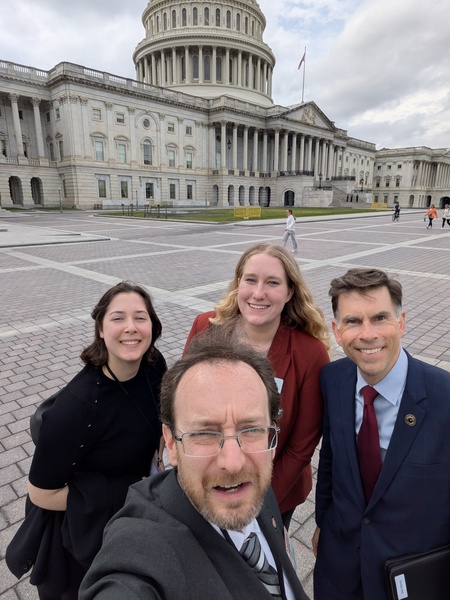
As MPMC Chair-Elect, it was an honor to help represent our member companies during the SEMA & PRI Washington Rally in May. While many people may view meetings on Capitol Hill as something reserved for executives or lobbyists, one of the biggest takeaways for me was realizing just how accessible the process really is. If a small-town motorsports parts manufacturing employee can do it, so can you!
The conversations we had with Congressional offices were straightforward and productive. Regardless of political affiliation, staff members were genuinely interested in learning about our industry, the businesses in their districts and the people who their decisions impact. Having the support of SEMA’s Government Affairs team, including economic data, talking points and industry research, helped make those discussions approachable and effective.
That experience reinforced an important point: advocacy works best when lawmakers hear directly from the people involved in the industry every day. You do not need a political background or years of experience to participate. If you care about the future of motorsports, performance manufacturing, racing or aftermarket innovation, your voice matters.
A healthy motorsports ecosystem depends on strong advocacy. The manufacturers, race tracks, media outlets, performance shops, sanctioning bodies and enthusiasts that make up our industry are all connected. Policies that affect one segment often ripple across the entire community.
There are three key pieces of legislation currently in discussion, with summary excerpts provided from the Rally brief:
The ADAS Functionality and Integrity Act (H.R. 6688)
Bipartisan bill that would establish a federal framework to ensure Advanced Driver Assistance Systems (ADAS) function properly after a vehicle is customized or modified. The bill seeks to ensure that vehicle owners and automotive aftermarket companies have the information they need to modify and customize vehicles with advanced safety features.
The Motorsports Fairness and Permanency Act (S. 1763 / H.R. 2231)
Would make permanent the seven-year cost recovery period for investments in motorsports entertainment complexes. This tax incentive expired at the end of 2025. By letting the seven-year depreciation schedule expire, racetracks face a more complicated tax code where they have to depreciate the investments in their facilities over a period ranging from 15 to 39 years.
The Recreational Trails Program Full Funding Act (S. 811)
Seeks to strengthen, modernize and increase funding for the Recreational Trails Program (RTP), which uses tax revenue from gas taxes paid on fuel for off-road highway vehicles (OHVs) to fund trail infrastructure across America. It is estimated that the federal government collects over $281 million each year in gas taxes from off-highway vehicle users – money that is supposed to be used to fund RTP – but the program is currently funded at only $84 million annually.
I encourage every MPMC member to follow developments through SEMA Action Network and take a few minutes to contact your representatives. The more lawmakers hear from the businesses and individuals behind this industry, the stronger our collective voice becomes.