

By Jason Chandler, ARMO Select Committee
One of the biggest challenges facing the automotive restoration industry today isn't a lack of passion; it's developing the next generation of skilled professionals who will carry the hobby and industry forward.
At Martin County High School in Stuart, Florida, Automotive and Welding Instructor Mike Warren is helping address that challenge every day through the school's Career & Technical Education (CTE) program. With more than 200 students enrolled in automotive courses and a growing welding program, Warren and his team are creating hands-on opportunities that introduce students to real-world skills, industry certifications and career pathways that extend far beyond the classroom.
For members of the Automotive Restoration Market Organization (ARMO), programs like Martin County's represent a critical pipeline of future technicians, fabricators, restoration specialists, entrepreneurs and industry professionals.
To learn more about how the program is preparing students for careers in the automotive and welding trades, ARMO spoke with Warren about his path into education, the growth of the program and the role industry support can play in shaping future professionals:
ARMO: Tell us about your journey into automotive education.
Mike Warren: My passion for cars started when I received my first truck. Like many enthusiasts, I wanted to customize it and make it my own. That eventually led to working in custom automotive shops, owning my own business and building a career around hands-on work. My wife, who was already a teacher, encouraged me to consider education when an automotive instructor position became available. Ten years later, I can honestly say it's been one of the most rewarding decisions I've ever made.
ARMO: How has the program evolved during your time at Martin County High School?
MW: Over the past decade, the program has experienced tremendous growth. Enrollment has expanded from a declining program to more than 210 students between two full-time automotive instructors. Students have earned more than 500 Automotive Service Excellence (ASE) and Florida Automotive Dealers Association certifications, helping prepare them for successful careers in the transportation industry. The addition of a welding program has further strengthened the curriculum and expanded student opportunities.
ARMO: Why is hands-on learning so important for today's students?
MW: While classroom instruction remains important, I believe students learn best by doing.
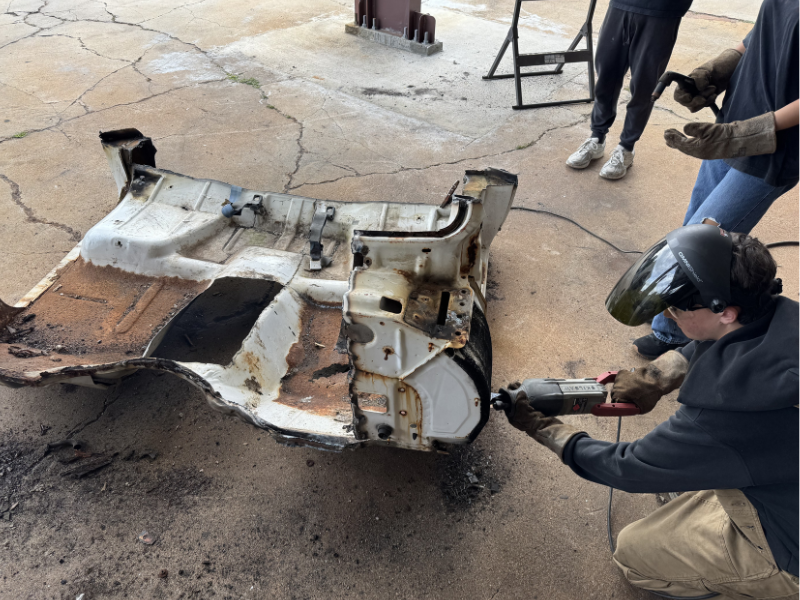
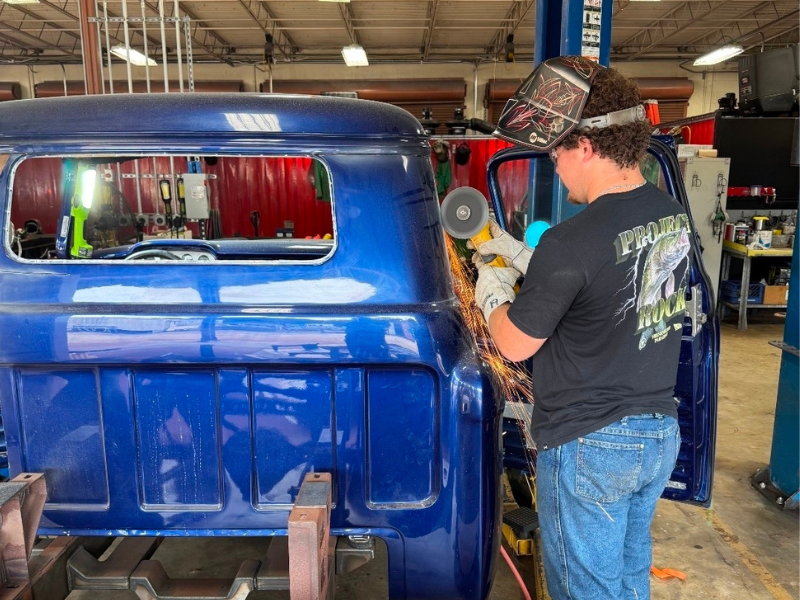
Students spend time learning safety procedures, automotive concepts and certification preparation before moving into the shop where they complete hands-on training and industry task lists. Real-world projects keep students engaged while reinforcing the practical skills they'll need in their future careers.
ARMO: What types of projects are students working on?
MW: The shop has become known for ambitious vehicle builds that expose students to a wide range of restoration and fabrication skills.
Current projects include a 1997 Chevrolet OBS Dually, a 1949 Chevrolet Bel Air, a 1957 Chevrolet Apache, a 1994 Chevrolet OBS Show Truck, and a 1966 Chevrolet C10 Pickup.
These projects provide opportunities for students to experience everything from mechanical repair and diagnostics to welding, fabrication, bodywork and restoration techniques.
ARMO: What project stands out as the most memorable?
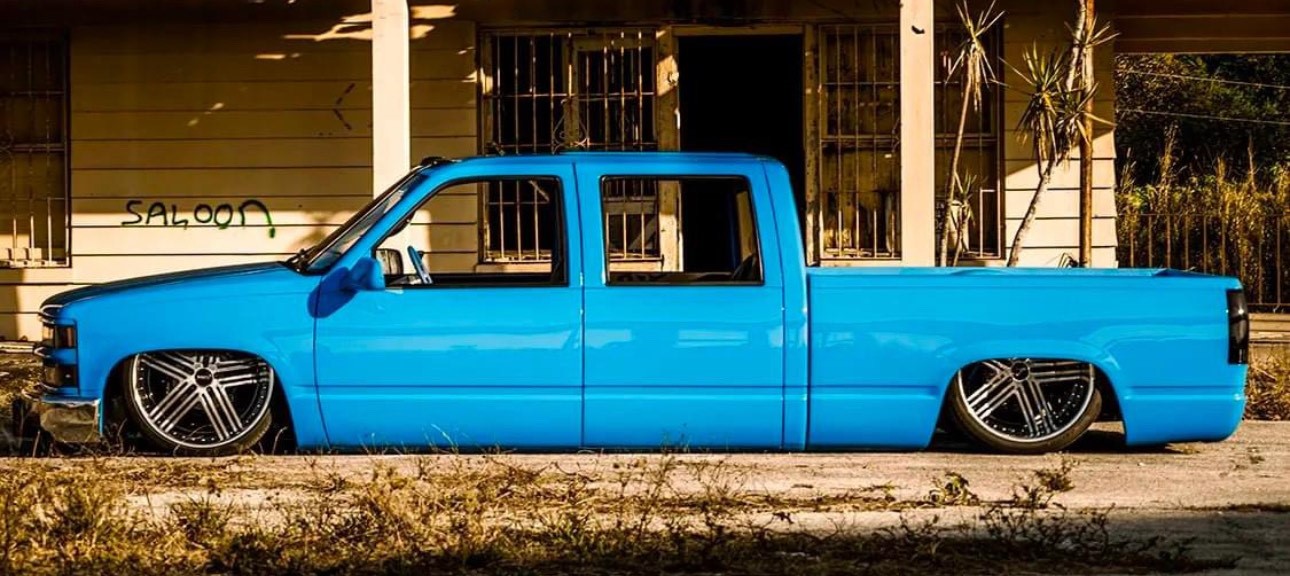
MW: One of my favorite projects was a 1998 Chevrolet OBS Crew Cab that took four years to complete.
The truck was eventually featured in Street Trucks Magazine and became a collaborative effort involving multiple school programs. A student from the school's digital photography program handled the photo shoot and editing, becoming one of the school's first published photographers. The truck went on to win more than fifteen awards and became a powerful example of what can happen when students are given opportunities to apply their skills in real-world environments.
ARMO: Restoration work requires patience and attention to detail. How do you teach those skills?
MW: Restoration work naturally teaches patience. Students quickly learn that rushing leads to mistakes and rework. By breaking projects into manageable steps and emphasizing organization, documentation, craftsmanship and precision, students begin developing the habits required to succeed in restoration and fabrication environments. I stress the importance of measuring twice, planning ahead and taking pride in the finished product.
ARMO: What challenges do high school automotive programs face today?
MW: Like many Career and Technical Education programs across the country, Martin County faces ongoing challenges related to equipment, funding and access to modern vehicles.
The rapid evolution of automotive technology, including electric vehicles, creates additional challenges as schools work to provide relevant training opportunities. Equally important is educating parents and students about the rewarding careers available in the skilled trades. Many students are still encouraged toward traditional four-year college pathways despite strong demand and excellent earning potential within technical careers.
ARMO: How can the restoration aftermarket help?
MW: Industry partnerships are critical. There are opportunities that extend beyond financial support, including mentorship, internships, shop tours, equipment donations, guest speakers and career exploration opportunities. I also believe students would benefit from learning about the many career paths available throughout the automotive aftermarket, not just technician roles.
For students interested in marketing, product development, manufacturing, engineering, sales, media, event management and entrepreneurship, organizations like ARMO and SEMA can play an important role in exposing young people to the breadth of opportunities available within the industry.
Why This Matters to ARMO
The automotive restoration industry's future depends on developing skilled, passionate young professionals.
Programs like Martin County High School's Career & Technical Education Program demonstrate what is possible when students are given access to hands-on learning, dedicated instructors and industry support. Today's automotive and welding students are tomorrow's restoration technicians, fabricators, shop owners, manufacturers, product developers and industry leaders.
For ARMO members, supporting programs like these isn't simply community outreach; it's an investment in the long-term health and sustainability of the restoration industry.
Whether through scholarships, mentorship opportunities, equipment donations, internships, advisory board participation or facility visits, ARMO members have a unique opportunity to help shape the next generation of automotive professionals.
As Warren's program demonstrates, the passion for cars and trucks is alive and well among today's youth. The industry's challenge, and opportunity, lies in helping transform that passion into lifelong careers.