

By Jason Chandler, ARMO Select Committee Member
The future of the automotive aftermarket and restoration industry depends on passionate educators and programs that inspire the next generation of builders, fabricators and enthusiasts. That’s why the SEMA Automotive Restoration Market Organization (ARMO) Select Committee is proud to spotlight Jonathan Wood, instructor of the Shop Class program at Garland Christian Academy (GCA), in this edition of our Youth Engagement feature.
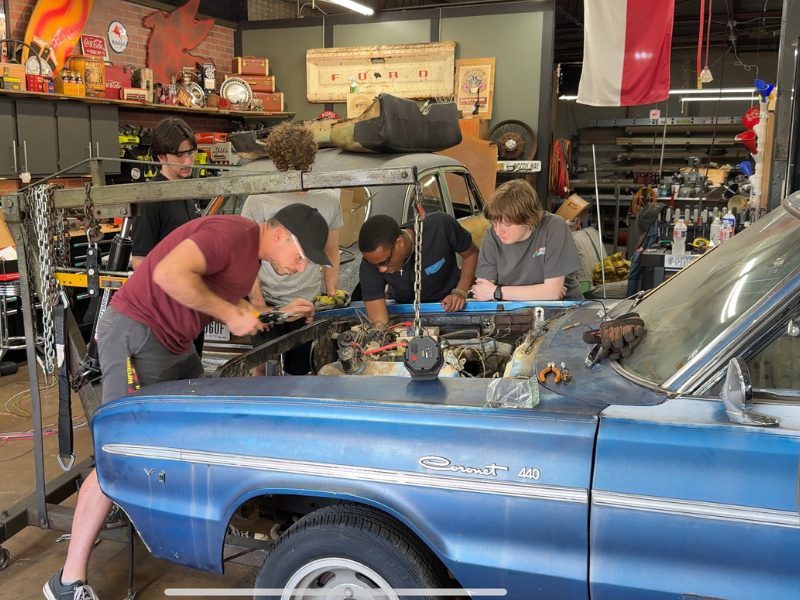
Wood exemplifies what it means to lead with vision, passion and purpose. His hands-on approach to teaching automotive skills and his commitment to offering students an alternative to the traditional educational path is breathing new life into trade education. Through real-world projects like reviving a ‘66 Dodge Coronet with a 440 Big Block, his students are not only learning technical skills—they’re gaining confidence, teamwork experience and a lasting appreciation for automotive craftsmanship.
In the interview below, we dive deeper into how Wood’s program is cultivating talent, engaging youth and preserving the heart of our industry for generations to come.
ARMO: Tell us about how the Shop Class program at Garland Christian Academy began. What was the inspiration behind incorporating automotive and trades into the curriculum?
Jonathan Wood: A few years ago, we were at a staff retreat and our pastor challenged us to look to the future and share some of our goals for the next five years. Shop Class is always something that I had longed for in our school and as an alumnus of GCA, something that I wish had been available to us during my school years. After sharing my goals in that meeting and a desire to launch a Shop Class, I hit the ground running, not knowing what the future will hold but determined to do my best to see this course come to life! I have been an avid car enthusiast for most of my life, so it has been incredible to be able to bring this class to our students and watch them grow in just this first year.
ARMO: What skills do you feel students gain most from participating in the automotive classes at GCA? How do you see these skills translating into career opportunities in today’s automotive industry?
JW: Our main objective for this course is to provide the students with options. We want them to see that there is more to life than a four-year degree and thousands of dollars in potential debt. Many of them simply do not desire to go to college and we want them to recognize that a traditional four-year degree is not necessary to be financially stable. Whether they desire to pursue a job in the trades or just simply learn more about cars and how they work, we want to provide them with hands-on experience that will challenge their critical thinking skills and mechanical understanding.
ARMO: Garland Christian Academy places a strong emphasis on safety and teamwork. How do you instill these values in students while still encouraging creativity and hands-on learning in the shop environment?
JW: We want the students to enjoy their time in this class but safety and communicating the importance of it is top priority at the beginning of each semester. We achieve this through multiple class periods of training and using real world experiences, including my own, showing what can happen when proper safety is not utilized. Accidents will happen but we want to be sure that they have been properly equipped to eliminate the possibility of an accident as much as possible.
ARMO: Can you share a specific project or build from your class that you feel best exemplifies what the students can achieve? Tell us about the ‘66 Dodge Coronet 440.
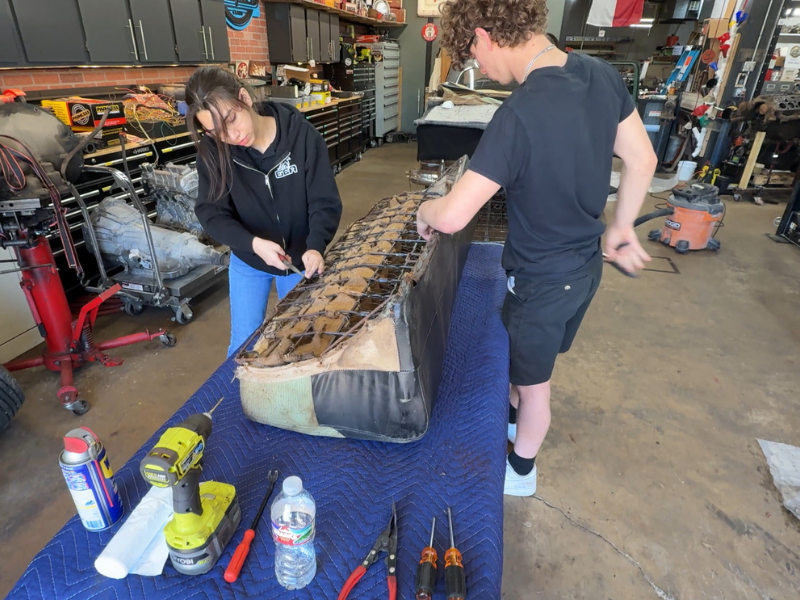
JW: We are currently in the process of bringing two classic cars back to life, a 1951 Ford Crestliner and a ‘66 Dodge Coronet with a 440 big block. The Crestliner is getting a full rewire and an interior refresh while the Coronet is taking up the majority of our time with a much more in-depth revival. The students are learning what it takes to bring a neglected 60-year-old car back to life after sitting for several decades. From bagging and tagging to what probably feels like endless wire wheeling, they are developing a deep understanding of many of the steps necessary to properly revive a classic car. We are doing a full interior refresh, complete braking system replacement, fuel system replacement, engine bay refresh, a total rewire of the entire car and a reseal and cosmetic refresh of the Big Block 440. The main objective is to show them that they can take on a project of their own and over time, through the skills that they develop in this class, bring it back to life.
ARMO: In your opinion, how important is it to introduce youth to trades like automotive restoration and fabrication at an early age? How do you see this shaping the next generation of automotive professionals and enthusiasts?
JW: I think that the last 10-15 years has made it very clear how critical it is that these students put down their screens and pick up a wrench. The lack of basic mechanical understanding really is disheartening and that is why we believe that this course is so critical for our curriculum. Helping them see the satisfaction that comes from creating, restoring, fabricating and repairing with their own two hands is priceless. Many of them will choose to take this class simply because it sounds “cool” but whether they take it to hang out with their friends or because they have a genuine interest in the automotive industry, I know that they will leave us with new skills and a greater understanding and appreciation for what those in the car world do.
ARMO: You’re building a strong social media presence for the program through platforms like Facebook and YouTube. How has sharing your students' progress online impacted their confidence and exposure to the larger automotive community?
JW: While I do hope that our social media gives us an opportunity to develop partnerships with other automotive companies, the main purpose has been to give progress updates for the parents and those that have made financial contributions to the program. There’s no doubt that they get a kick out of seeing themselves in videos and I believe that it adds a level of legitimacy to what they are doing. I am hoping to partner soon with some local established automotive influencers to garner some exposure for the class and what the students are accomplishing.
ARMO: What challenges have you faced in keeping these young people engaged in hands-on automotive and trade education, and how have you worked to overcome them?
JW: The greatest challenge that I have faced is keeping them engaged during class time. While those of us in the automotive industry appreciate all aspects of it, we do not love all aspects of it so I try to keep the class time as short as possible and get them into the shop for hands-on learning. As someone who retains knowledge much easier by doing, I have seen that in many of these students, so that is where we focus: get out in the shop and work.
ARMO: Partnerships are key in growing programs like yours. Have you received support from industry professionals, businesses or organizations like SEMA? If so, how has that support benefited your students?
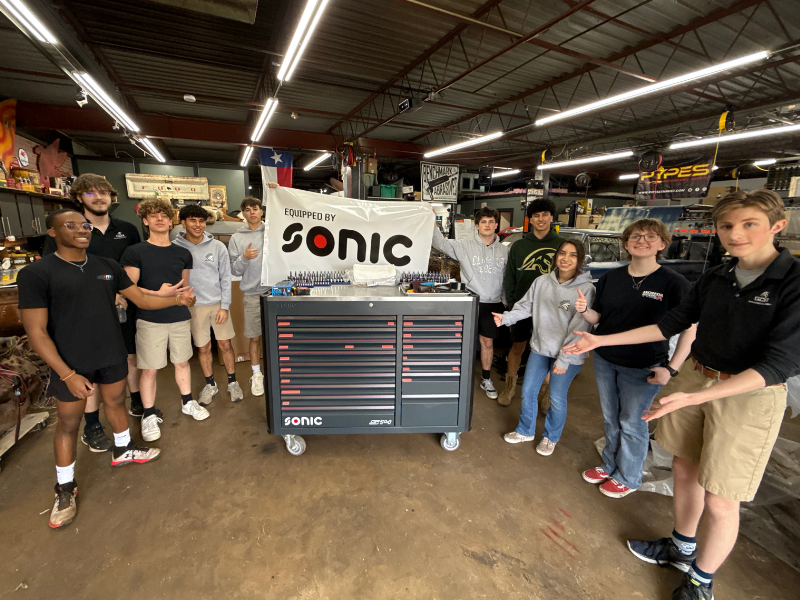
JW: I was relatively confident going into the development of this program that we would gain the support of many companies in the automotive industry, but I was shocked at just how awesome the response has been. We have over 14 corporate sponsors just this semester alone that have partnered with us on our project vehicles. I do hope to develop some long-term partnerships with many others in the industry to aid in funding the program and to lessen the financial burden on what is a pretty limited program budget. We’ve made it a priority to share pictures and thank yous with the individual sponsors so that the students recognize the magnitude of what has been given to their projects.
ARMO: How do students respond when they see their projects completed or showcased? What do you think this hands-on experience does for their overall educational journey compared to traditional classroom learning?
JW: We saw first-hand in the woodworking section how excited they were to show off their work at the school Christmas program, so we are currently working really hard to be ready to showcase the ‘66 Dodge as our main project at the Spring Program at the end of the semester. Being able to showcase something that you have invested months into is going to be a huge encouragement to them. I am excited to show off what they have done and brag about all their accomplishments.
ARMO: Looking ahead, what are your goals for expanding or evolving the Shop Class program at Garland Christian Academy? How can the automotive community support your mission to engage youth in the trades?
JW: I am excited for what the future holds with this course. We currently have a 50/50 split per semester between woodworking and automotive, but over the next three to five years our goal is to expand both tracts of the shop into their own programs that run all year long, five days a week. Long term I envision a full expansion of the automotive program to have a tract for ASE certification, a restoration tract, auto body and paint as well as Welding. By the time we reach this expansion we would be looking at freshmen through senior classes and this would give them an opportunity to hone in on their specific interests and develop their skills even further.
ARMO: Thank you so much, Jonathan, for taking the time to share more about your program. We’re looking forward to seeing more of the incredible work you and your students are doing!